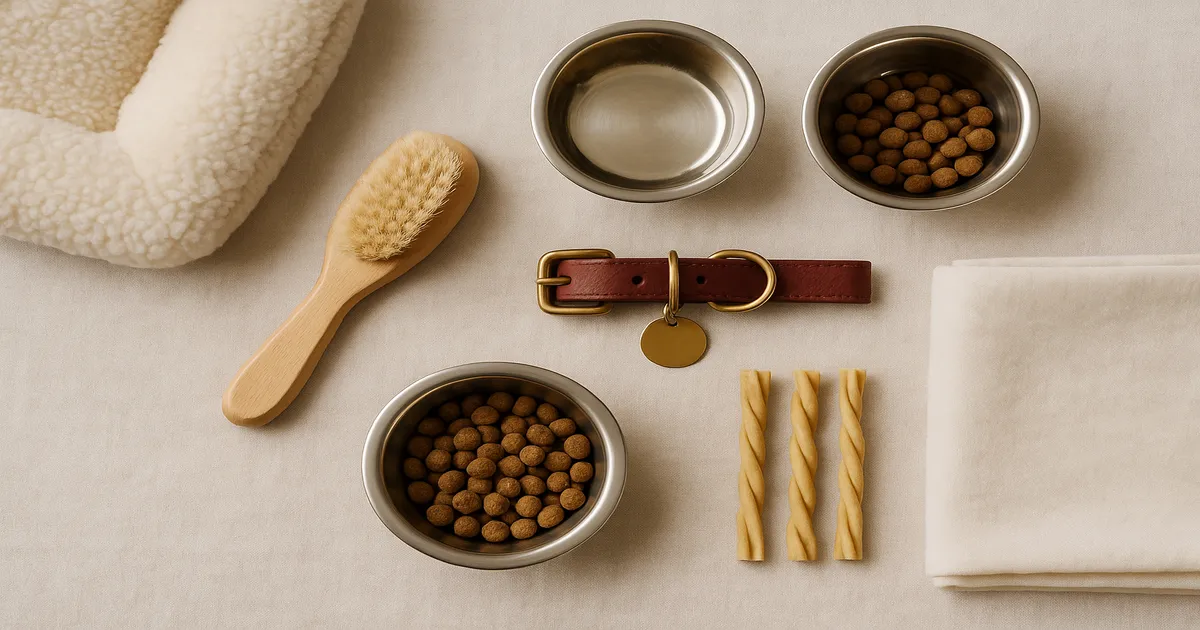
Quick Answer: Caring for a Cavalier King Charles Spaniel means providing 30–60 minutes of daily exercise, brushing their silky coat 3–4 times a week, and staying proactive about serious breed-specific health conditions like mitral valve disease and syringomyelia. They’re gentle, adaptable companions who thrive on human connection — but they’re not a breed you can leave alone all day.
Cavalier King Charles Spaniel Care: Quick Overview
Breed Snapshot: Key Facts at a Glance
The Cavalier King Charles Spaniel belongs to the AKC Toy Group and has been bred for centuries as a companion dog — and it shows in every aspect of their personality.
- Weight: 12–18 lbs (5.4–8.2 kg)
- Height: 12–13 inches (30–33 cm) at the withers
- Lifespan: 9–14 years
- Coat colors: Blenheim (chestnut and white), Tricolor, Black & Tan, Ruby
- Exercise: 30–60 minutes per day, split into two sessions
- Grooming: 3–4× weekly brushing; professional grooming every 6–8 weeks
- Major health concerns: Mitral valve disease (MVD), syringomyelia (SM)
- Temperament: Gentle, affectionate, adaptable, highly social
Is a Cavalier King Charles Spaniel Right for You?
Pros:
- Excellent with children, seniors, and other pets
- Adapts well to apartments and houses alike
- Easy to train with positive reinforcement
- Thrives as a therapy or emotional support dog
Cons:
- Serious, well-documented health challenges — and real vet costs to match
- Prone to separation anxiety; not suited to long hours alone
- Moderate shedding; not hypoallergenic
- Off-leash recall is unreliable
If you want a devoted, easygoing companion and you’re prepared to be proactive about their health, a Cavalier is a wonderful match. If you travel frequently or work long hours without a dog-care plan, this breed will struggle.
Cavalier King Charles Spaniel Temperament and Personality
What Cavaliers Are Really Like
Cavaliers are often called “love sponges,” and the description fits. They’re emotionally intuitive dogs that tune into their owner’s mood — calm when you need quiet, playful when you’re ready to engage. That sensitivity is exactly why they excel as therapy and emotional support animals.
They have what enthusiasts call a “dual-mode” personality: enthusiastic and curious on a walk, then perfectly content to curl up on your lap the moment you sit down. They’re not hyperactive, but they’re not couch potatoes either.
How Well Do Cavaliers Get Along with Children, Pets, and Strangers?
Very well, across the board. Cavaliers are gentle enough for toddlers, patient enough for elderly owners, and sociable enough to coexist peacefully with cats and other dogs. They tend to greet strangers warmly — which makes them poor guard dogs and wonderful companions. Multi-pet households rarely see conflict, and they bond with the whole family rather than fixating on one person.
Separation Anxiety: A Real Challenge
This is one of the most important things to understand before bringing a Cavalier home. They were bred to be with people, and extended time alone can spiral quickly into destructive behavior, excessive barking, or genuine distress.
A few practical strategies:
- Crate training from puppyhood provides a safe, calm space
- Puzzle feeders and long-lasting chews help bridge short absences
- Gradual alone-time conditioning — start with minutes, not hours
- Dog daycare or a dog walker for owners with full-time jobs
If anxiety is severe, consult your vet or a certified applied animal behaviorist. Medication is appropriate in some cases.
Intelligence and Trainability
Cavaliers are smart, food-motivated, and eager to please — a combination that makes positive reinforcement training genuinely enjoyable. They pick up commands, tricks, and obedience routines readily. Keep sessions short (5–10 minutes) and upbeat, and they’ll surprise you with how quickly they learn.
Housetraining typically clicks by 4–6 months with consistent effort. The one persistent challenge is recall: their spaniel instinct to follow a scent can override even a well-trained “come” command. Never rely on off-leash recall in an unfenced area.
Exercise Needs for a Cavalier King Charles Spaniel
How Much Exercise Does a Cavalier Need Each Day?
Adult Cavaliers need 30–60 minutes of moderate exercise daily, ideally split into a morning and evening session. They’re not marathon runners, but they do need real movement — a quick trip to the backyard doesn’t count.
Good options include:
- Leashed walks (20–30 minutes, twice daily) as the foundation
- Fetch in a securely fenced yard
- Swimming — many Cavaliers take to water naturally; always supervise
- Agility and rally obedience — they’re surprisingly capable and love the mental challenge
- Scent work and nose games — taps into their spaniel heritage beautifully
Mental Stimulation Matters Just as Much
A Cavalier that’s physically tired but mentally bored will still find ways to make your life interesting — usually by barking or chewing things. Challenge their brain daily with puzzle feeders, snuffle mats, short training sessions, and hide-and-seek games with treats or toys. Even a different walking route counts. (Outward Hound Nina Ottosson Dog Brick)
Exercise Cautions: Heat, Puppies, and Health Conditions
Cavaliers are sensitive to heat. Once temperatures climb above 80°F (27°C), shift exercise to early morning or evening and watch for signs of overheating. They have mild brachycephalic tendencies — not as extreme as a Bulldog, but enough to matter on a hot, humid day.
For puppies under 12 months, follow the 5-minute-per-month-of-age rule: a 4-month-old gets no more than 20 minutes of formal exercise per session, twice daily. This protects developing joints. Cavaliers diagnosed with MVD or syringomyelia need vet-modified exercise plans — ask your vet specifically what’s appropriate at each stage of their condition.
How to Care for a Cavalier King Charles Spaniel’s Coat
Understanding the Cavalier’s Silky Coat
The Cavalier’s coat is medium-length, silky, and slightly wavy — never curly or wiry. Longer feathering flows from the ears, chest, legs, feet, and tail, giving the breed its elegant look. They shed moderately year-round, with heavier shedding in spring and fall. Cavaliers are not hypoallergenic.
Brushing Routine: How Often and What Tools to Use
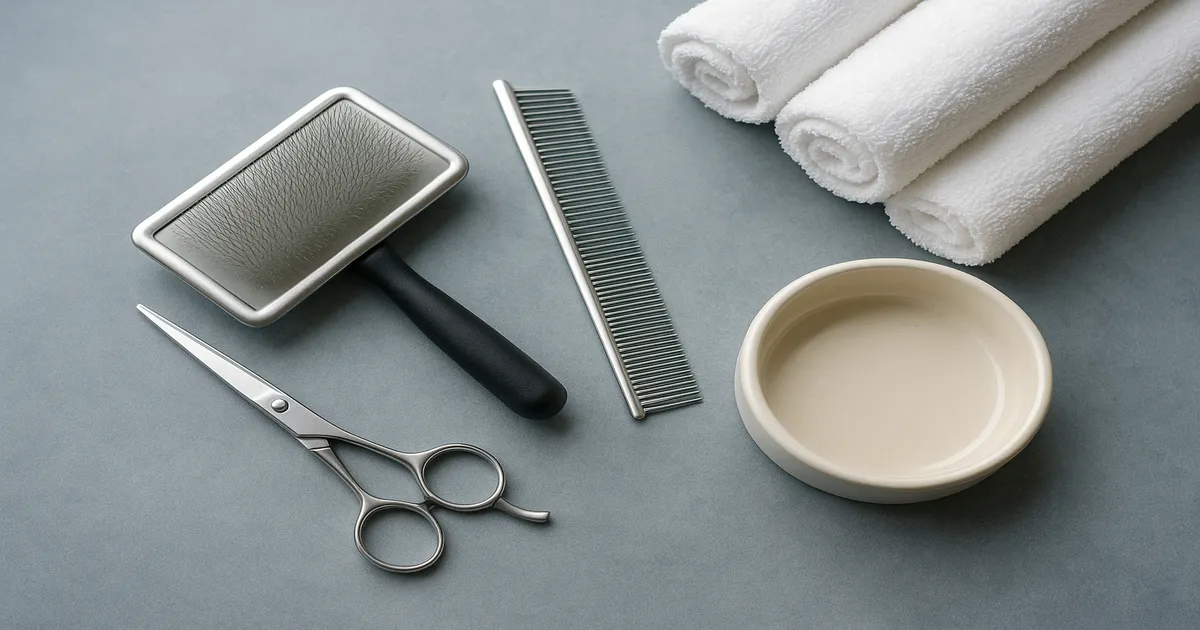
Brush 3–4 times per week minimum — daily during shedding seasons. Use a pin brush or slicker brush for the body coat, then follow with a wide-toothed metal comb through the feathering.
The mat-prone spots are behind the ears, in the armpits, and between the hind legs. Work through these areas gently with a detangling spray rather than forcing the brush through dry knots.
Bathing and Professional Grooming
Bathe every 2–4 weeks using a gentle, moisturizing dog shampoo. Dry the coat thoroughly afterward — trapped moisture in the ear feathering leads directly to infection. A low-heat blow dryer used while brushing speeds the process and keeps the coat smooth.
Most owners find that professional grooming every 6–8 weeks keeps things manageable. Pet owners can opt for a light trim around the feet and ears without any impact on the dog’s health.
Ear Cleaning: Don’t Skip This Step
Those beautiful long ears restrict airflow, creating a warm, moist environment that’s ideal for yeast and bacterial growth. Clean ears every 1–2 weeks with a veterinarian-approved ear cleaning solution. (Virbac Epi-Otic Advanced Ear Cleaner) Apply it to a cotton ball and gently wipe the visible inner ear — never insert anything into the ear canal. After bathing or swimming, dry the ears thoroughly.
Watch for redness, odor, dark discharge, head shaking, or pawing at the ears. Any of these warrant a vet visit.
Nails, Teeth, and Eyes
Nails: Trim every 3–4 weeks. If you hear clicking on hard floors, they’re overdue. A rotary nail grinder can be less stressful than clippers for dogs sensitive about their feet.
Teeth: Brush daily with a dog-safe enzymatic toothpaste. Cavaliers are prone to dental disease because of their small, crowded mouths — daily brushing makes a real difference. Supplement with dental chews or water additives.
Eyes: Wipe the inner corners daily with a damp cloth or pet-safe eye wipe to remove discharge. Redness, cloudiness, or excessive tearing should be checked by a vet promptly.
Common Health Problems in Cavalier King Charles Spaniels
Mitral Valve Disease (MVD)
MVD is the breed’s most serious health concern. The heart’s mitral valve slowly deteriorates, eventually leading to congestive heart failure. The statistics are sobering: roughly 50% of Cavaliers have a detectable heart murmur by age 5, and nearly all are affected by age 10.
Responsible breeders follow the MVD Breeding Protocol, which recommends that both parents be at least 2.5 years old and murmur-free at breeding. Annual cardiac screening is essential from year one. If a murmur is detected, an echocardiogram helps stage the disease — and pimobendan (Vetmedin) has been shown in clinical trials to significantly delay progression to heart failure in dogs with preclinical MVD.
Syringomyelia and Chiari-Like Malformation
Chiari-Like Malformation (CM) occurs when the back of the skull is too small for the brain, pushing tissue toward the spinal cord. This can cause syringomyelia (SM) — fluid-filled cavities within the spinal cord that cause pain and neurological damage. Up to 70–95% of Cavaliers show CM on MRI, with 30–70% developing SM.
The hallmark symptom is phantom scratching — the dog scratches at the neck or shoulder while walking, without actually making contact with the skin. Other signs include yelping, neck sensitivity, and weakness. MRI is the only definitive diagnostic tool. Management ranges from gabapentin and NSAIDs to surgical decompression in severe cases.
Episodic Falling Syndrome
Episodic Falling Syndrome (EFS) is a movement disorder unique to Cavaliers. Affected dogs experience sudden episodes of muscle rigidity and collapse triggered by excitement or exercise — but they remain fully conscious throughout, which distinguishes it from a seizure. A DNA test for the causative mutation is available, and reputable breeders should test all breeding stock.
Eye Conditions
Keratoconjunctivitis Sicca (KCS), or dry eye, is common in the breed. Insufficient tear production leads to chronic irritation and potential corneal damage; it’s managed with cyclosporine eye drops and artificial tears. Corneal dystrophy and retinal conditions also occur. Annual eye exams are a worthwhile addition to your Cavalier’s preventive care routine.
How to Find a Health-Tested Cavalier Breeder
A reputable breeder will voluntarily share health testing results. Minimum testing for breeding Cavaliers should include:
- Cardiac evaluation (MVD protocol compliance)
- MRI screening for CM/SM
- DNA testing for Episodic Falling Syndrome
- Eye certification through a board-certified ophthalmologist
- OFA hip evaluation
Avoid breeders who can’t provide documentation, who breed dogs under 2.5 years old, or who always seem to have puppies available. Cavalier-specific rescues are also a wonderful option and exist across the country.
Feeding and Nutrition for a Cavalier King Charles Spaniel
How Much Should You Feed a Cavalier?
Feed adult Cavaliers twice daily rather than leaving food out all day. Portion size depends on the food’s caloric density, your dog’s age, and activity level — start with the manufacturer’s guidelines, then adjust based on body condition. A healthy-weight Cavalier should have a visible waist and ribs you can feel but not see.
Puppies need three meals daily until around 6 months, then transition to twice daily. Senior Cavaliers may benefit from a food formulated for older small breeds, particularly one that supports cardiac and joint health.
Choosing the Right Food
Look for a high-quality food with a named protein source (chicken, turkey, salmon) as the first ingredient, appropriate for small breeds. (Purina Pro Plan Small & Toy Breed Adult) Kibble, wet food, or a combination are all appropriate. If you’re considering a raw diet, discuss it with your veterinarian first — nutritional balance is especially critical for Cavaliers with heart disease.
Weight Management
Cavaliers are highly food-motivated, which is great for training but dangerous for their waistline. Obesity directly worsens both cardiac function and joint health — two areas where this breed is already vulnerable. Count treat calories as part of the daily total and use small, low-calorie treats during training.
Foods to always avoid: xylitol (found in sugar-free gum and some peanut butters), grapes and raisins, chocolate, onions, and garlic.
For Cavaliers already diagnosed with MVD, ask your vet about cardiac-specific dietary recommendations. Sodium levels and certain nutrients become increasingly relevant as heart disease progresses.
Living With a Cavalier King Charles Spaniel
Are Cavaliers Good Apartment Dogs?
Yes — with a caveat. Cavaliers adapt well to smaller living spaces as long as they get their daily exercise. They’re not excessive barkers by nature (though boredom or anxiety can change that), and they don’t need a large yard. A consistent walk schedule matters far more than square footage.
Keeping Your Cavalier Safe
Always walk on a leash in unfenced areas — their recall is genuinely unreliable, and no amount of training fully overrides a compelling scent. A securely fenced yard is the only safe off-leash option.
In warm weather, limit outdoor time during peak heat hours and always provide fresh water. Manage common household hazards: toxic foods, accessible trash cans, and small objects that could be swallowed.
Socialization and Preventing Behavioral Issues
Start socialization early and keep it consistent. Expose puppies to different people, sounds, environments, and animals during the critical window between 3 and 14 weeks. Well-socialized Cavaliers are confident and adaptable; under-socialized ones can become anxious or fearful despite the breed’s naturally gentle temperament.
Newly adopted adult Cavaliers — including rescues — benefit from a structured decompression period followed by gradual socialization. Give them time to settle, then slowly expand their world.
Frequently Asked Questions About Caring for a Cavalier King Charles Spaniel
How much exercise does a Cavalier King Charles Spaniel need per day?
Adult Cavaliers need 30–60 minutes of moderate exercise daily, ideally split into two sessions. Mental stimulation through puzzle toys and training counts alongside physical activity. Puppies under 12 months should follow the 5-minute-per-month-of-age rule to protect developing joints.
Do Cavalier King Charles Spaniels shed a lot?
Cavaliers are moderate shedders year-round, with heavier shedding in spring and fall. Brushing 3–4 times per week significantly reduces loose hair around the home. They are not hypoallergenic.
Are Cavalier King Charles Spaniels easy to train?
Yes. They’re smart, food-motivated, and eager to please, which makes positive reinforcement training straightforward and enjoyable. Short, upbeat sessions of 5–10 minutes work best. The main exception is off-leash recall, which remains unreliable due to their strong scent drive — always train and exercise in a safely enclosed area.
How serious are the health problems in Cavalier King Charles Spaniels?
Very serious, and prospective owners should go in with clear eyes. Mitral valve disease affects the vast majority of Cavaliers by age 10, and syringomyelia is widespread in the breed. Buying from a health-tested breeder reduces (but doesn’t eliminate) risk. Budget for annual cardiac and neurological monitoring, and consider pet insurance early — before any conditions are diagnosed and become pre-existing exclusions.
How long can a Cavalier King Charles Spaniel be left alone?
Cavaliers should not be left alone for more than 3–4 hours at a stretch. They’re companion dogs at their core, and prolonged isolation leads to separation anxiety, destructive behavior, and real emotional distress. Owners who work full-time should arrange for a dog walker, dog daycare, or a canine companion to keep them company.