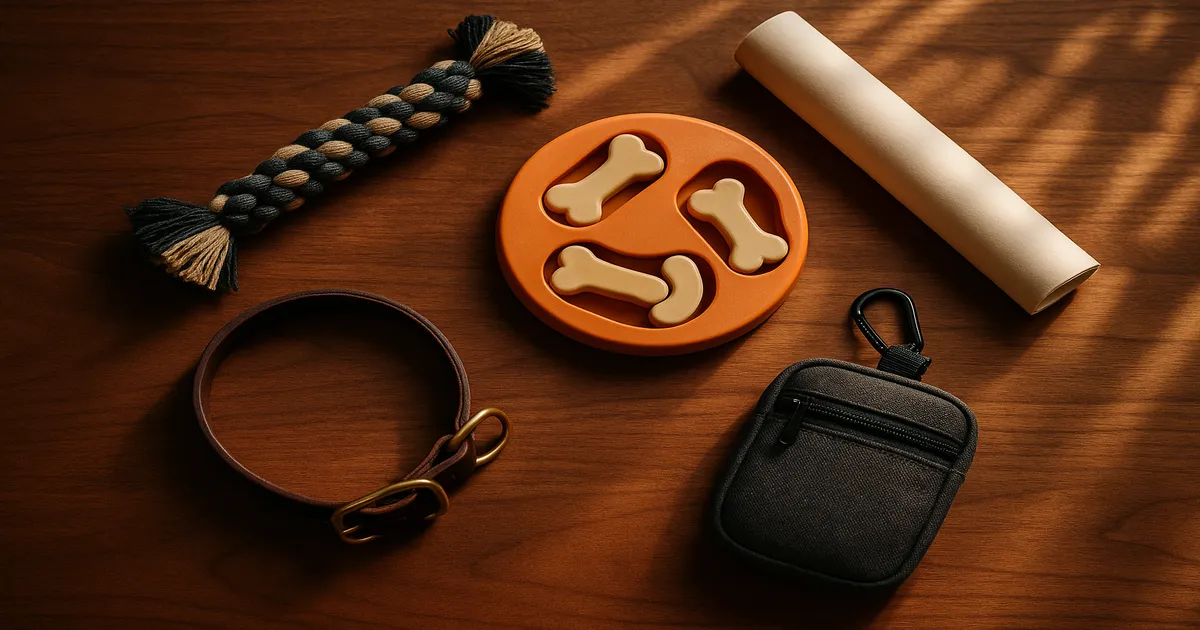
Quick Answer: To get a dog to stop nipping and biting, say “ouch” or “no” firmly the moment teeth touch skin, withdraw all attention immediately, then redirect to a chew toy and reward calm behavior. Consistency across every person in the household is non-negotiable. If your adult dog has started biting suddenly and without obvious cause, see a vet before trying any training — pain is often the real culprit.
Nipping and biting are among the most common reasons dog owners seek training help — and the good news is that most cases are very fixable. Whether you’re dealing with a land-shark puppy or a dog that has developed a biting habit later in life, understanding why the behavior is happening is the first step toward stopping it. This guide covers everything you need to know about how to get a dog to stop nipping and biting, from root causes to step-by-step training techniques.
How to Stop a Dog from Nipping and Biting: The Core Framework
The Four-Step Method
- Say “ouch” or “no” firmly — once, calmly, the moment teeth touch skin.
- Withdraw all attention immediately — stand up, turn away, cross your arms. No eye contact.
- Redirect to an appropriate chew toy — offer it within a few seconds once the dog has settled.
- Reward calm, gentle behavior — a treat, praise, or resumed play the moment they engage politely.
Repeat this sequence every single time. Inconsistency is the number one reason this approach fails.
Puppy Nipping vs. Adult Dog Biting
Puppy mouthing is developmentally normal. It peaks around 8–12 weeks and is how puppies explore their world — think of it like a human infant putting everything in their mouth. Annoying, yes. Aggressive, no.
Adult dog biting is a different conversation. It often signals fear, pain, resource guarding, or overstimulation. If your previously gentle adult dog has started nipping out of nowhere, schedule a vet visit before starting any behavioral training. Pain is frequently the cause, and no training program will fix a toothache.
Why Dogs Nip and Bite
Normal Puppy Development and Bite Inhibition
Between 3 and 16 weeks, puppies learn bite pressure from their littermates. When one puppy bites too hard, the other yelps and stops playing — a natural consequence that teaches mouth control. When puppies leave the litter too early, or when owners don’t replicate this feedback, bite inhibition never fully develops.
Herding Instinct
Some dogs nip because it’s literally what they were bred to do. Border Collies, Corgis, and Australian Shepherds are genetically wired to control movement with their mouths. They’ll nip at running children, joggers, or cyclists — not out of aggression, but because something moved and their instincts fired.
Fear-Based Biting
According to the American Veterinary Medical Association (AVMA), fear is the leading cause of dog bites in adult dogs. A dog that feels cornered, startled, or threatened bites to create distance. Watch for these warning signs before a bite happens:
- Whale eye (whites of the eyes showing)
- Tucked tail and flattened ears
- Lip licking or yawning out of context
- Stiff, frozen posture
Resource Guarding, Pain, and Overstimulation
Resource guarding — nipping when someone approaches food, toys, or a resting spot — can escalate quickly without intervention. Pain-induced nipping can happen in any dog, especially seniors with arthritis or dental disease. Overstimulation nipping tends to show up during high-energy play when arousal simply exceeds self-control.
Breed-Specific Nipping Tendencies
Herding Breeds
The Pembroke Welsh Corgi was bred to nip cattle heels — a job it has held for centuries. The Border Collie and Australian Shepherd share the same genetic drive. These dogs aren’t misbehaving; they’re doing exactly what selective breeding designed them to do. Redirecting the instinct is far more effective than simply trying to suppress it.
Terrier Breeds
Terriers were bred for tenacity and jaw use — hunting vermin, gripping, shaking. The Jack Russell Terrier, developed in the early 1800s for fox hunting, is a prime example. Bite inhibition training should start at 8 weeks with these breeds, no exceptions. The Airedale, the largest terrier, can cause real injury without early intervention.
Working and Protection Breeds
The Belgian Malinois — used by the majority of U.S. police K9 units — has a bite force of approximately 195 PSI. The Rottweiler is estimated around 328 PSI, though precise bite force figures vary across studies and should be treated as approximations rather than hard facts. If either of these breeds is nipping, get professional help immediately. This is not a DIY training situation.
Toy Breeds
Small dogs bite frequently and are frequently ignored because the damage seems minor. That’s a mistake. Chihuahuas are statistically among the most frequent biters of any breed. A 2008 University of Pennsylvania study ranked Dachshunds first in aggression toward strangers out of 33 breeds studied. Because owners excuse small-dog biting as “cute” or harmless, the behavior gets reinforced and escalates.
Step-by-Step Training Techniques to Stop Nipping and Biting
Bite Inhibition Training
Bite inhibition is the foundation. The goal isn’t to eliminate mouthing entirely — it’s to teach your dog that human skin is fragile and mouths must be soft. Allow gentle mouthing, then yelp and withdraw the moment pressure increases. You’re replicating what littermates do naturally.
The Yelp-and-Withdraw Method
Say “ouch!” in a sharp, surprised tone — not angry, just startled. Stop all interaction immediately: stand up, turn away, and ignore the dog for 20–30 seconds. Resume only when they’re calm. If they nip again, repeat. Most puppies make the connection within a few sessions; some need a few weeks of consistent practice.
Redirection to Appropriate Toys
Always have a tug toy or chew toy within reach during play. The moment nipping starts, redirect by offering the toy enthusiastically — try a durable tug toy like the West Paw Zogoflex Tug, which holds up to heavy chewers and herding breeds. The dog learns that toys keep the fun going; skin ends it.
Time-Outs and Attention Withdrawal
For persistent nippers, a brief time-out reinforces the message. Calmly lead the dog to a boring space — a laundry room or gated area — for 60–90 seconds. No scolding, no drama. The point is simply that nipping makes the fun disappear.
Teaching “Leave It” and “Drop It”
These two commands are essential. “Leave it” prevents the nip before it happens; “drop it” addresses what’s already in the mouth. Train both with positive reinforcement — reward the moment the dog complies. High-intelligence breeds like Border Collies can learn these commands in just a few repetitions. Breeds like Chow Chows may need 80–100 repetitions or more. Patience matters more than speed.
Rewarding Calm, Gentle Behavior
Don’t just correct nipping — actively reward the opposite. When your dog approaches calmly, takes a treat gently, or plays without teeth on skin, mark it with “yes!” and reward immediately. Small, soft training treats work best for frequent rewarding; Zuke’s Mini Naturals are a popular choice that won’t fill your dog up mid-session. Never use physical punishment. It doesn’t stop biting — it creates fear, and fear is the leading cause of adult dog bites.
Exercise and Mental Stimulation
How Under-Exercise Fuels Nipping
A 2020 study published in Scientific Reports found that dogs receiving less than two hours of daily activity showed significantly higher rates of aggression and destructive behavior. Pent-up energy has to go somewhere, and for many dogs, it goes straight into their mouths.
Daily Exercise by Breed Type
| Breed Category | Daily Exercise Need |
|---|---|
| High-energy herding/working breeds | 2–3+ hours |
| Sporting breeds | 1.5–2 hours |
| Terriers | 1–1.5 hours |
| Toy breeds | 30–60 minutes |
| Senior dogs (7+ years) | 20–45 minutes (low-impact) |
Activities That Channel Nipping Energy
- Fetch — channels oral fixation appropriately for sporting breeds
- Tug-of-war with rules — teach “drop it” simultaneously to keep play structured
- Flirt pole — excellent for terriers and herding breeds with high prey drive; the Outward Hound Tail Teaser is a well-reviewed option
- Swimming — high energy output with zero joint impact
Mental Stimulation Matters as Much as Physical Exercise
For herding breeds especially, mental exhaustion is more effective than physical exercise alone. A Border Collie that’s done two hours of fetch may still be wired; the same dog after 15 minutes of focused obedience training is often genuinely tired. Build mental work into every day with puzzle feeders, nose work, and short obedience sessions. A stuffed Kong Classic keeps dogs occupied and mentally engaged between training sessions.
Medical Causes of Nipping: When Biting Is a Health Problem
Pain as a Hidden Trigger
Any dog in pain may bite — even the sweetest, most gentle dog you’ve ever owned. This isn’t a character flaw; it’s a survival response. Before starting a training program for a dog that has recently started nipping, rule out a medical cause.
Common culprits include:
- Hip dysplasia — OFA data shows rates of 19.1% in German Shepherds, 20.6% in Golden Retrievers, and 20.5% in Rottweilers. Dogs with hip pain often nip when touched near their hindquarters.
- IVDD (intervertebral disc disease) — especially common in Dachshunds and Corgis; spinal pain can cause sudden, dramatic behavioral changes.
- Dental disease — rampant in dogs and frequently overlooked. A cracked tooth or infected gum may cause a dog to nip when anything comes near their face, or seemingly at random.
- Ear infections — if your dog starts nipping when you touch their head or ears, check for infection before assuming a behavioral problem.
- Arthritis — a leading cause of new biting behavior in senior dogs.
When to See a Vet Before Training
Go to the vet first if your dog:
- Started nipping suddenly with no change in environment or routine
- Flinches or snaps when touched in a specific area
- Has changed posture, gait, or is reluctant to be handled
- Is a senior dog with a new biting behavior
When to Call a Professional
Signs That Nipping Has Escalated to Dangerous Biting
Some situations go beyond what a training article can solve. Seek professional help if:
- Biting breaks skin
- Your dog bites without warning signals (no growl, no stiff posture)
- There is resource guarding with growling directed at people
- Aggression is directed at children or strangers
- The behavior is getting worse, not better
Trainer, Behaviorist, or Veterinary Behaviorist?
- CPDT-KA (Certified Professional Dog Trainer) — appropriate for standard puppy nipping and mild adult nipping
- CAAB (Certified Applied Animal Behaviorist) — for complex aggression cases requiring deep behavioral assessment
- DACVB (Diplomate of the American College of Veterinary Behaviorists) — when medication may be needed alongside behavior modification
Belgian Malinois, Rottweilers, and any large working breed with a bite history should always involve a professional — full stop.
Frequently Asked Questions
At what age do puppies stop nipping on their own?
Most puppies naturally reduce mouthing between 4 and 6 months as adult teeth come in and the teething phase ends. That said, “on their own” isn’t a reliable strategy. Without consistent bite inhibition training, some dogs continue nipping well into adulthood. Start active training at 8 weeks for the best outcome.
Why does my dog nip at my heels when I walk?
Heel nipping is almost always herding instinct, especially in Corgis, Border Collies, Australian Shepherds, and Cattle Dogs. Your moving feet look like livestock to them. Redirect to a toy, practice “leave it,” and provide outlets for herding energy like flirt pole sessions or agility work.
How do I stop my dog from nipping at children?
Never leave dogs and young children unsupervised, regardless of breed or temperament. Teach children not to run, shriek, or wave their hands near the dog — all of which trigger prey drive and excitement nipping. Practice calm greetings and make sure the dog has a safe retreat space that children are not allowed to enter.
Can a dog that bites be trained not to bite again?
In most cases, yes — with the right approach and professional guidance. Success depends on the cause of the biting, the dog’s history, and how consistently training is applied. Fear-based and pain-based biting often improves significantly once the underlying trigger is addressed. Any dog with a bite history should be assessed by a professional before a training plan is designed.
Is nipping without breaking skin still a problem?
Yes, but it’s a different situation than hard biting. Nipping without breaking skin is actually a sign of some bite inhibition — the dog has learned to control pressure to a degree. It still needs to be corrected consistently using the yelp-and-withdraw method, but it’s a more manageable starting point than a dog with no pressure awareness at all.