Quick Answer: Persian cats are high-maintenance when it comes to grooming — their long, dense coats require 15–20 minutes of daily brushing, plus daily eye and facial fold cleaning. Their calm temperament, quiet nature, and low exercise needs, however, make them genuinely easy to live with in most other respects. Whether a Persian is “hard” to care for depends almost entirely on which aspect of care you’re asking about.
So, is it hard to take care of a Persian cat? The honest answer is: it depends on what you mean by “hard.” Persians are among the most demanding breeds for coat and health maintenance — but they’re also some of the most relaxed, gentle companions you can share a home with. Understanding where the real work lies will help you decide whether this breed suits your lifestyle.
How Hard Is It to Take Care of a Persian Cat?
Persians earn their high-maintenance reputation almost entirely from grooming. The coat is long, dense, and mats within 24–48 hours without daily attention. Add daily eye cleaning, facial fold care, and a bath every four to six weeks, and you’re looking at a genuine time commitment.
On the flip side, Persians don’t need vigorous exercise, rarely cause chaos, and won’t yowl at 3 a.m. for entertainment. They’re easy to live with — as long as you’re ready to pick up a comb every single day.
Harder than average:
- Daily brushing (15–20 minutes, non-negotiable)
- Daily eye and facial fold cleaning
- Breed-specific health vulnerabilities, particularly respiratory and kidney issues
- Higher lifetime veterinary costs
Easier than average:
- Very low exercise needs — 10–20 minutes of gentle play per day
- Quiet and non-destructive by nature
- Perfectly content in a small apartment
- Rarely aggressive or difficult to handle
Persian Cat Breed Overview
A Brief History
Persian cats trace their documented history to 17th-century Persia (modern-day Iran). Italian nobleman Pietro della Valle is credited with introducing longhaired Persians to Europe around 1620, and French traders brought similar cats from Ankara around the same time. The two types were gradually differentiated through selective breeding.
By the Victorian era, Persians had become status symbols. Queen Victoria kept blue Persians, cementing the breed’s aristocratic image. They appeared at the world’s first organized cat show at Crystal Palace, London, in 1871, and became one of the founding breeds recognized by the Cat Fanciers’ Association (CFA) when it was established in 1906.
Physical Traits That Drive Care Needs
The Persian’s flat, round face is also the root of most of its care challenges. This brachycephalic (shortened skull) structure causes breathing difficulties, excessive tearing, and dental crowding. The cobby body and long double coat complete a profile that was bred for beauty, not practicality.
Doll-Face vs. Flat-Face Persians
There are two broad types, and the distinction matters for care:
- Traditional (Doll-Face) Persian: Longer muzzle, more moderate facial structure, significantly fewer respiratory and eye problems. Closer to the original breed type and popular with pet owners who prioritize health.
- Ultra-Typed (Peke-Face) Persian: The extreme flat face favored in CFA conformation showing. More prone to Brachycephalic Obstructive Airway Syndrome (BOAS), blocked tear ducts, and corneal issues.
If you’re buying from a breeder, choosing a less extreme facial structure is one of the best things you can do for your cat’s long-term health. Related breeds worth knowing: the Himalayan (Persian body, Siamese colorpoint markings), the Exotic Shorthair (short-coated Persian), and the Chinchilla Persian (silver or golden-tipped coat, green eyes) all share most Persian care requirements.
Persian Cat Temperament
Persians are consistently ranked among the most placid, even-tempered cat breeds. They don’t knock things off counters for sport, they don’t sprint through the house at midnight, and they rarely pick fights. They observe the world with quiet dignity and handle change reasonably well — provided their routine stays consistent.
They’re affectionate without being needy. A Persian will find their favorite person and settle nearby, often making gentle contact — a paw on your leg, a slow blink from across the room. Their voice is soft and used sparingly, which is a genuine relief compared to vocal breeds like the Siamese. They bond deeply with their core family but can be reserved with strangers, warming up slowly and on their own terms.
Persians do well in calm households and are an excellent choice for seniors, apartment dwellers, and anyone who wants a serene companion. They can coexist with other pets — including calm dogs — when introductions are handled patiently. What they don’t tolerate well is chaos: boisterous children, aggressive dogs, or a constantly shifting environment will stress them out. They’re non-confrontational by nature, so they’ll retreat rather than fight, but chronic stress takes a real toll on their health.
Exercise and Enrichment Needs
Persians need just 10–20 minutes of interactive play per day, ideally split between morning and evening. They’re not sprinters or climbers — they play at their own pace and are perfectly happy batting a toy mouse around the living room floor.
Good options for Persian cats:
- Wand and feather toys — gentle movement they can engage with without jumping or sprinting
- Soft toy mice — light batting and pouncing suits their style
- Puzzle feeders — great for mental stimulation without physical strain (Doc & Phoebe’s Indoor Hunting Cat Feeder)
- Window perches — watching birds outside is genuinely enriching; a bird feeder positioned outside the window is a simple, effective enrichment tool
- Cat TV — videos of birds and fish on a tablet work surprisingly well for this breed
Avoid high-jump cat trees or anything requiring sustained running. Their flat faces limit breathing efficiency, and vigorous activity can cause real respiratory distress.
Don’t let their low energy fool you into skipping playtime. Persians are prone to obesity precisely because they’re so sedentary, and excess weight worsens every health problem they’re already predisposed to — including respiratory issues and kidney disease.
Persian Cat Grooming: The Biggest Care Challenge
Daily Brushing
A Persian’s coat reaches 4–6 inches in length, with a dense, woolly undercoat beneath a silky topcoat. Without daily brushing, mats form within 24–48 hours — particularly in high-friction areas like the armpits, groin, and behind the ears. Once a mat tightens against the skin, it’s painful to remove and often requires professional help or clipping.
Plan for 15–20 minutes of brushing every day. The right tools make this much more manageable:
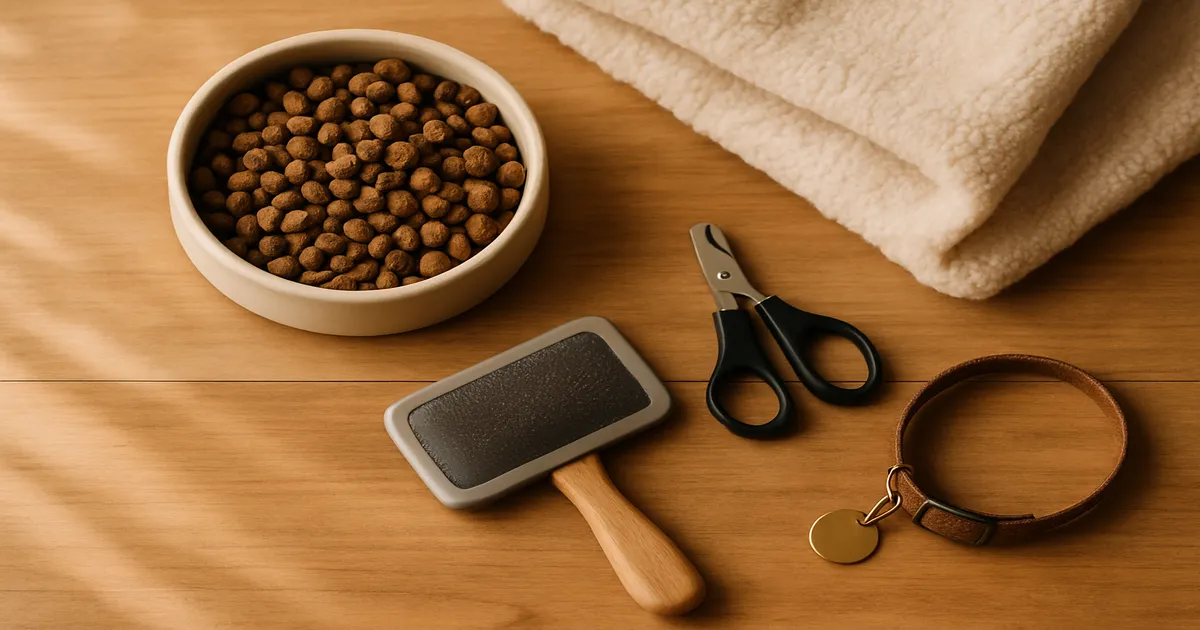
- Wide-tooth metal comb — your primary tool for working through the coat and catching tangles early
- Slicker brush — smooths the topcoat and removes loose hair
- Dematting comb or mat splitter — for carefully working through small mats before they worsen
- Undercoat rake — especially useful during spring and fall shedding seasons
Always brush in the direction of hair growth, work in sections, and never yank through a tangle. A detangling spray helps with stubborn spots.
Bathing
Persians need a bath every four to six weeks. When conditioned from kittenhood, most tolerate it better than you’d expect. Brush thoroughly before getting the cat wet — wet mats are far harder to remove than dry ones. Use a cat-specific shampoo to avoid disrupting feline skin pH, rinse extremely thoroughly, and follow with a cat-safe conditioner to prevent static and tangling. Blow-dry completely on a low, warm setting — never let a Persian air-dry. The dense undercoat stays wet for hours and can lead to chilling or fungal skin issues.
Eye Cleaning and Tear Stains
Persians tear excessively (epiphora) because their shallow eye sockets block normal tear drainage. The reddish-brown streaks below the eyes are caused by porphyrins in the tears oxidizing on the fur. Daily cleaning is the only way to manage this. Use a soft damp cloth or cotton pad with warm water or a vet-recommended eye cleaning solution, wiping gently from the inner corner outward. Never use the same cloth on both eyes. Yellow, green, or thick discharge is a sign of infection or a blocked tear duct — see your vet.
Facial Fold Care
The skin folds around a Persian’s nose trap moisture and debris, creating a warm environment where bacteria and yeast thrive. Clean these folds daily with a soft, slightly damp cloth and dry thoroughly afterward. Neglected folds develop skin fold dermatitis — a painful infection that requires veterinary treatment. Frequent face-rubbing, redness, or odor are your cues to call the vet.
Nails, Ears, and Dental Care
| Task | Frequency | Difficulty |
|---|---|---|
| Brushing | Daily | ⭐⭐⭐⭐ High |
| Eye cleaning | Daily | ⭐⭐⭐ Moderate |
| Facial fold cleaning | Daily | ⭐⭐⭐ Moderate |
| Bathing | Every 4–6 weeks | ⭐⭐⭐⭐ High |
| Nail trimming | Every 2–3 weeks | ⭐⭐ Low–Moderate |
| Ear cleaning | Every 2–4 weeks | ⭐⭐ Low–Moderate |
| Dental care | Daily | ⭐⭐⭐ Moderate |
Nails: Trim every two to three weeks with cat-specific clippers. Persians are sedentary enough that their nails don’t wear down naturally.
Ears: Check weekly, clean every two to four weeks with a vet-approved solution and cotton balls. Never insert anything into the ear canal.
Teeth: Daily brushing with cat-specific enzymatic toothpaste is the gold standard. Persians are prone to dental crowding because of their shortened jaw, which accelerates periodontal disease. Professional dental cleanings under anesthesia are typically recommended every one to two years.
The lion cut is worth mentioning for pet (non-show) owners: clipping the coat short every eight to twelve weeks dramatically reduces daily grooming time while keeping the cat comfortable. Many Persian owners swear by it.
Persian Cat Health Issues
Brachycephalic Obstructive Airway Syndrome (BOAS)
BOAS is the most serious breed-specific health concern in Persians. The flat face creates narrowed nostrils, an elongated soft palate, and a narrowed trachea that all restrict airflow. Studies suggest up to 80% of brachycephalic cats show some degree of airway compromise. Symptoms range from snoring and noisy breathing to open-mouth breathing and exercise intolerance in severe cases.
Mild BOAS is managed with weight control and keeping the cat cool — never above 80°F (27°C). Severe cases may require surgical correction. Heat stroke is a genuine risk because Persians cannot pant efficiently, so air conditioning is not optional in warm climates.
Polycystic Kidney Disease (PKD)
PKD is an autosomal dominant condition caused by a mutation in the PKD1 gene. Historically, 36–49% of Persian cats worldwide were affected. Responsible breeding programs using genetic testing have reduced this significantly, but it remains a real concern. Fluid-filled cysts gradually replace healthy kidney tissue, eventually leading to kidney failure. Always ask a breeder for PKD genetic test results — a reputable breeder will provide documentation without hesitation.
Eye Conditions
Beyond everyday tearing, Persians are prone to corneal ulcers (their prominent eyes are easily scratched), entropion (eyelid rolling inward, causing lashes to irritate the cornea), and chronically blocked tear ducts. Most of these conditions are directly tied to the flat facial structure and are more common in ultra-typed Persians than doll-face variants.
Other Health Concerns
Dental crowding from the shortened jaw increases the risk of periodontal disease — another reason daily tooth brushing matters more in this breed than most. Skin fold dermatitis is preventable with consistent cleaning but becomes a recurring veterinary issue when neglected. Hypertrophic cardiomyopathy (HCM) is seen across many cat breeds, and Persians are not exempt.
Lifespan
Persians typically live 12–17 years with good care. A 2023 study published in the Journal of Feline Medicine and Surgery, analyzing over 7,900 cats, found a median lifespan of 13.5 years — slightly below the general domestic cat average, largely due to brachycephalic-related complications. A well-cared-for Persian from a health-focused breeder can absolutely reach their mid-to-late teens.
Feeding and Nutrition
Feed a high-quality, protein-rich cat food with named meat sources (chicken, turkey, salmon) as the primary ingredients. One practical note: Persians’ flat faces make eating from standard deep bowls awkward. Use a shallow, wide bowl or flat plate so they can reach their food without pressing their face into the dish. (Americat Company Stainless Steel Cat Saucer)
Persians are sedentary cats living in climate-controlled homes — their caloric needs are lower than you might assume. Follow feeding guidelines on your food packaging as a starting point, then adjust based on body condition. You should be able to feel (but not see) their ribs.
Given the breed’s PKD predisposition, kidney health deserves extra attention. Wet food provides significantly more moisture than dry kibble and is one of the simplest ways to support kidney function long-term. A cat water fountain encourages drinking by providing moving, filtered water, which many cats strongly prefer over a standing bowl.
Is Taking Care of a Persian Cat Right for You?
The ideal Persian home is calm, indoor-only, and climate-controlled. Temperatures above 80°F (27°C) are genuinely dangerous for this breed. They thrive on routine — consistent feeding times, familiar faces, and a predictable daily schedule.
Daily time commitment:
- 15–20 minutes of brushing
- 5–10 minutes for eye cleaning, facial fold care, and dental brushing
Ongoing financial costs:
- Professional grooming every 6–8 weeks (or lion cut every 8–12 weeks)
- Veterinary costs for BOAS management or surgical correction if needed
- Annual wellness exams with PKD monitoring
- Professional dental cleanings every 1–2 years
These costs add up. A Persian is not a low-budget pet.
A Persian is likely a great fit if you:
- Have time for daily grooming and genuinely don’t mind it
- Want a calm, quiet, affectionate companion
- Live in an apartment or smaller home
- Are a senior, work from home, or have a relaxed household
- Are willing to invest in regular vet care and professional grooming
A Persian may not be right for you if you:
- Travel frequently or work very long hours away from home
- Are unwilling or unable to commit to daily brushing
- Have very young children or highly energetic dogs
- Live somewhere without reliable air conditioning
- Are on a tight budget for veterinary care
Frequently Asked Questions About Persian Cat Care
How much time does it take to groom a Persian cat each day?
Plan for at least 15–20 minutes of brushing daily, plus another 5–10 minutes for eye cleaning, facial fold care, and dental brushing. That’s roughly 20–30 minutes total, every single day — the biggest time commitment of Persian ownership.
Are Persian cats good for first-time cat owners?
They can be, but only if the new owner is fully prepared for the grooming commitment. Persians are forgiving in terms of temperament — they’re calm, gentle, and easy to handle. The daily coat and facial care routine is what catches first-time owners off guard. Go in with realistic expectations and you’ll be fine.
Do Persian cats shed a lot?
Yes. Their long, dense double coat sheds year-round, with heavier shedding in spring and fall. Daily brushing significantly reduces the amount of loose hair on your furniture and clothing, but you will still find Persian fur on everything. A good lint roller is a permanent fixture in most Persian households.
How do I know if a Persian cat breeder is reputable?
A reputable breeder will provide PKD genetic test results for both parents, allow you to visit their facility, and ask you questions about your home and lifestyle. They’ll be registered with a recognized organization such as the CFA or TICA, offer a health guarantee, and be willing to take the cat back if you can no longer care for it. Avoid breeders who can’t produce health documentation or who have multiple litters available at all times.
Can Persian cats be left alone during the day?
Persians are more independent than many breeds and can handle being alone during a standard workday. They’re not prone to separation anxiety the way some dogs are. That said, they do appreciate companionship — a second calm cat can be a good solution for owners who work full-time. What they don’t handle well is being left alone for multiple days without human contact.