Quick Answer: Potty training a scared dog requires building trust first, establishing a rock-solid routine, and using positive reinforcement exclusively — punishment makes fear worse and learning impossible. Expect the process to take 2–4 times longer than with a confident dog, and always rule out medical issues before you start.
If you’re searching for how to potty train a scared dog, you already know your situation is different. Your dog isn’t being stubborn — fear is a physiological state that actively blocks learning. No amount of scolding or repetition will override it. The good news is that with the right approach, even deeply anxious dogs can become reliably housetrained.
Understanding Why Fear Makes Potty Training Harder
What Happens in a Frightened Dog’s Brain
When a dog is scared, the amygdala triggers a flood of cortisol and adrenaline. This shuts down the prefrontal cortex — the part of the brain responsible for learning and decision-making. In plain terms: a dog in a fear state literally cannot process new information. Trying to train in that moment is like trying to teach someone algebra during a fire alarm.
A 2020 study in Scientific Reports confirmed this, finding that dogs trained with aversive methods had significantly higher cortisol levels, more stress behaviors, and slower learning rates than those trained with positive reinforcement.
Common Backgrounds That Create Fearful Dogs
Most scared dogs fall into one of these categories:
- Rescue or shelter dogs with unknown or traumatic histories
- Puppy mill survivors who were never exposed to normal elimination environments
- Undersocialized puppies who missed the critical window between 3–14 weeks of age
- Abuse survivors who associate human presence with punishment
- Naturally anxious breeds with a genetic predisposition to fearfulness
- Dogs with underlying medical conditions that cause or worsen anxiety
Breeds Most Prone to Fear and Anxiety
| Breed | Known Fearfulness Traits | Size |
|---|---|---|
| Chihuahua | High anxiety, noise sensitivity | 3–6 lbs (1.4–2.7 kg) |
| Shih Tzu | Sensitive to harsh correction | 9–16 lbs (4–7 kg) |
| Bichon Frisé | Prone to separation anxiety | 12–18 lbs (5–8 kg) |
| Rescued Greyhound | Kennel-raised, unfamiliar with homes | 60–70 lbs (27–32 kg) |
| Border Collie | Noise phobia, high sensitivity | 30–55 lbs (14–25 kg) |
| Vizsla | Severe separation anxiety (“velcro dog”) | 44–60 lbs (20–27 kg) |
| Italian Greyhound | Notoriously difficult to potty train, anxiety-prone | 7–14 lbs (3–6 kg) |
| Maltese | Submissive urination common | 4–7 lbs (2–3 kg) |
Breed note: Chihuahuas are a highly variable breed — the AKC standard lists the weight limit as 6 lbs, but many pet Chihuahuas run heavier. The low end of the range above reflects the smallest individuals.
Reading Your Dog’s Fear Signals
Knowing where your dog sits on the fear spectrum is essential before you can train effectively.
Subtle early warning signs:
- Lip licking or yawning out of context
- Whale eye (showing the whites of the eyes)
- Ears pinned flat or rotated backward
- Paw lifting or crouching
- Turning the head away or avoiding eye contact
- Excessive ground-sniffing (a displacement behavior)
Escalated signs — stop training immediately:
- Trembling, shaking, or panting when not hot
- Freezing or refusing to move
- Submissive urination (involuntary, triggered by fear — not a housetraining failure)
- Growling, snapping, or attempting to flee
If your dog is showing escalated signs, training won’t work. Your first job is to lower the fear, not push through it.
Rule Out Medical Problems Before You Start
Before you attribute accidents to fear or stubbornness, see your vet. Urinary tract infections affect roughly 14% of dogs at some point in their lives and cause urgency, frequent small urinations, and indoor accidents that look exactly like a training problem. Bladder stones, ectopic ureter (a congenital defect more common in female Siberian Huskies, Labradors, and Golden Retrievers), and urinary incontinence — which affects around 20% of spayed females — can all create the same picture.
Stress colitis is also common in anxious dogs. Chronic anxiety triggers mucus-laden, sometimes bloody diarrhea that the dog simply cannot control. Giardia and intestinal parasites are frequently overlooked in rescue dogs — a simple fecal float test rules them out. Cushing’s disease causes dramatically increased urination. Cognitive Dysfunction Syndrome — essentially canine dementia — affects around 28% of dogs aged 11–12 and up to 68% of dogs over 15, causing previously housetrained dogs to lose that skill entirely.
When to Ask Your Vet About Anxiety Medication
Some dogs are too fearful for training to gain any traction without pharmacological support first. Separation anxiety affects 17–29% of dogs; noise phobia affects roughly 40%. These are clinical conditions, not training problems.
FDA-approved options include fluoxetine (Reconcile®) and clomipramine (Clomicalm®) for daily anxiety management, and dexmedetomidine (Sileo®) for situational noise aversion. Trazodone and gabapentin are commonly used off-label. Over-the-counter calming supplements like Adaptil pheromone diffusers and Zylkene alpha-casozepine capsules may provide mild support. Always discuss any supplement or medication with your vet before starting.
How to Potty Train a Scared Dog: The Foundation Steps
Build Trust Before You Begin Training
Rushing into potty training before a scared dog feels safe will backfire every time. The dog’s nervous system needs to register your presence as a signal of safety, not a potential threat. This can take days, weeks, or even months — and that’s okay. There is no shortcut here.
Use Positive Reinforcement Correctly
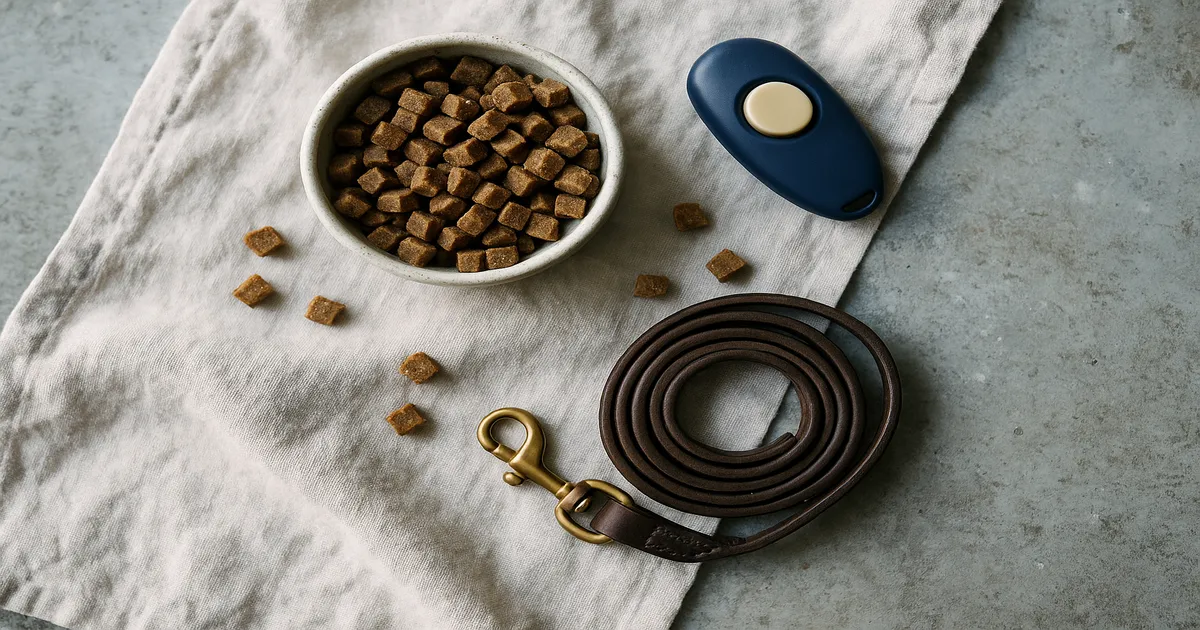
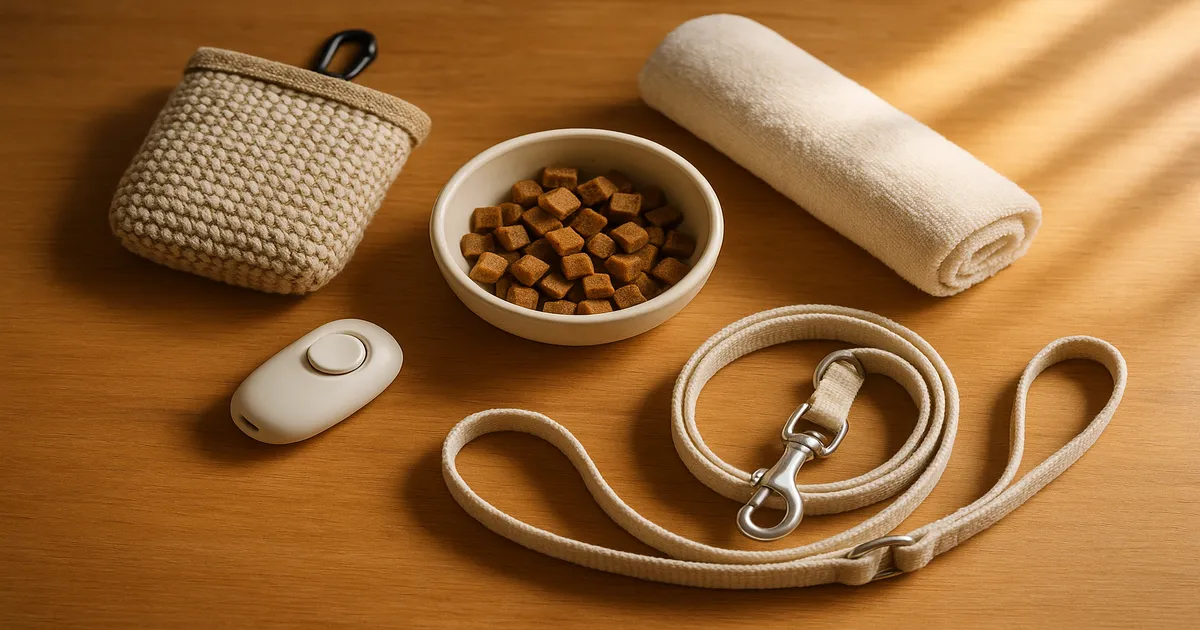
Positive reinforcement means that every time your dog does something you want, something good immediately follows. Timing is everything — the reward must come within 1–2 seconds of the behavior. For fearful dogs, “good” usually means a small, soft, high-value treat: real chicken, cheese, or freeze-dried liver tend to cut through anxiety better than kibble.
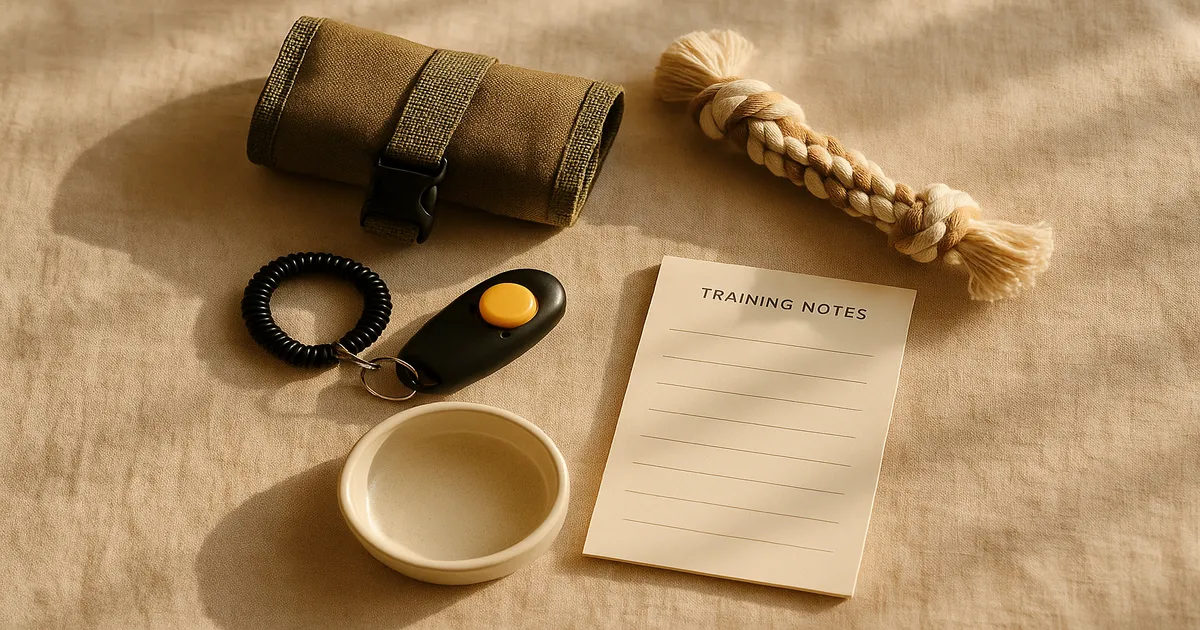
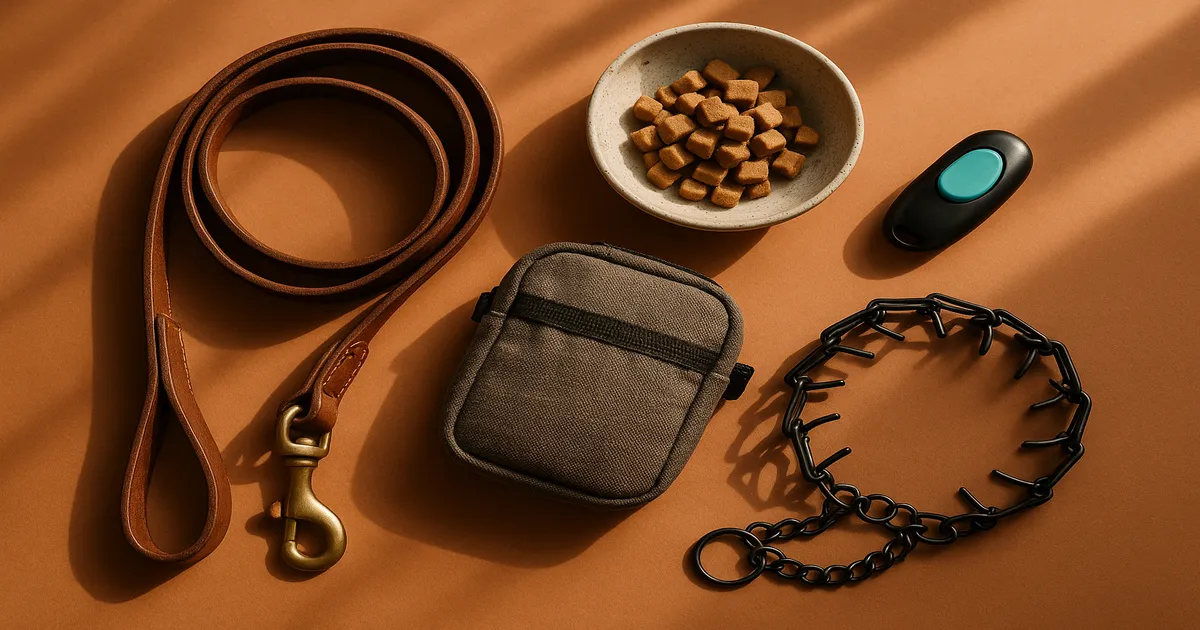
A clicker is a powerful tool here. The click is a neutral, consistent sound that marks the exact moment the correct behavior occurs, removing any ambiguity. Pair it with treats during short, low-pressure sessions before you ever use it in potty training.
The American Veterinary Society of Animal Behavior (AVSAB), the Association of Professional Dog Trainers (APDT), and the American College of Veterinary Behaviorists (ACVB) all endorse positive reinforcement as the gold standard for fearful dogs.
Choose the Right Trainer
If you’re struggling, look for a Certified Professional Dog Trainer (CPDT-KA), a Certified Dog Behavior Consultant (CDBC), or a veterinary behaviorist (Diplomate ACVB). These credentials mean the professional has been tested on humane, science-based methods. Avoid anyone who uses the words “dominant,” “alpha,” or “correction” as core training concepts.
Creating a Fear-Free Potty Training Environment
Indoor Setup
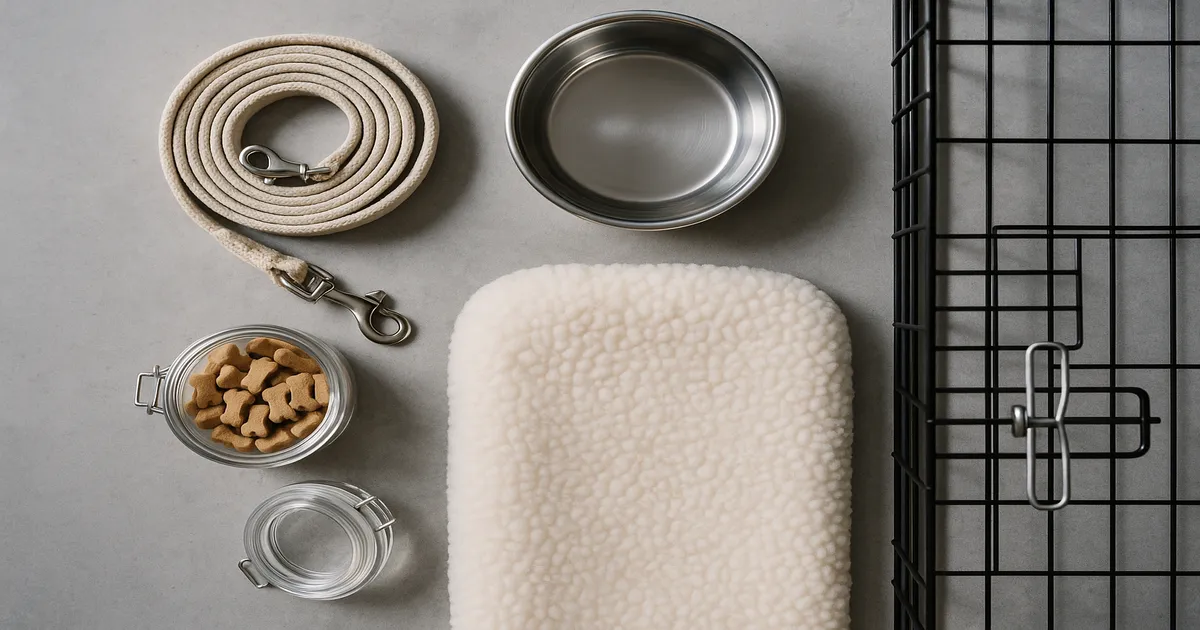
A crate, introduced properly, becomes a den — a place the dog chooses because it feels safe. Size matters: large enough for the dog to stand, turn around, and lie down, but not so large that they can eliminate in one corner and sleep in another.
- Toy breeds: 18–22 inches (46–56 cm)
- Medium breeds: 24–30 inches (61–76 cm)
If your dog is too fearful for a crate right now, an exercise pen creates a manageable safe zone with a sleeping area, water, and a designated potty pad. Keep the pad in exactly the same spot every time — moving it causes confusion and spikes anxiety.
Outdoor Setup
Pick one specific, low-stimulation outdoor area and use it every single time. Avoid busy sidewalks, dog parks, or anywhere with heavy foot traffic until your dog is more confident. When you arrive at the spot, go quiet — put your phone away, stand still, and let the dog focus. The moment they begin to eliminate, softly say your cue word (“go potty”) or click. Reward immediately after they finish, not during.
Leash and Harness Choices for Anxious Dogs
Skip the retractable leash — the clicking mechanism and unpredictable tension can startle a fearful dog mid-trip. A Y-front harness distributes pressure evenly without restricting shoulder movement or pressing on the trachea. For dogs who need more freedom to sniff and choose a spot, a 15–30 ft (4.5–9 m) long line keeps them safely attached without crowding them.
Cleaning Up Accidents the Right Way
Standard household cleaners don’t break down uric acid crystals, so your dog can still smell the previous accident and will return to that spot. Use an enzymatic cleaner and soak the area thoroughly, letting it dwell for the time listed on the bottle before blotting dry. (Rocco & Roxie Professional Strength Stain & Odor Eliminator)
The Step-by-Step Potty Training Routine for Scared Dogs
Build a Predictable Daily Schedule
Routine is anxiety’s antidote. A scared dog who knows exactly what comes next has one less thing to worry about. Take your dog out at these key moments every day:
- Immediately on waking (within 5 minutes)
- 15–20 minutes after every meal
- After every nap and after play sessions
- Before bed
- Every 1–2 hours for puppies under 12 weeks; every 2–4 hours for adult fearful dogs during initial training
The Correct Potty Trip Sequence
- Leash up calmly and quietly — no excited voices
- Walk directly to the designated potty spot
- Stand still and wait; avoid direct eye contact, which can feel pressuring
- The moment elimination begins, say your cue word softly or click
- Immediately after they finish, offer a high-value treat and calm, quiet praise
The reward comes after they finish, not while they’re going. Reaching toward them mid-elimination can startle the behavior to a stop.
How to Reward Without Startling a Fearful Dog
Reaching over a scared dog’s head to deliver a treat can feel threatening. Instead, toss the treat gently on the ground in front of them, or crouch sideways rather than facing them directly. Keep your voice low and warm — an explosion of “GOOD BOY!” can be just as alarming as a correction for a highly anxious dog.
Managing Setbacks
Regression happens. A thunderstorm, a houseguest, a change in schedule — any of these can temporarily undo weeks of progress. When it does, go back to basics: increase trip frequency, reduce the size of the environment, and remove any frustration from the equation. Never scold or physically correct a scared dog for an accident. It will not speed up training; it will set it back significantly.
Exercise, Enrichment, and Diet
How Exercise Lowers Fear
Aerobic exercise reduces cortisol while boosting serotonin and dopamine — a direct physiological counter to the fear response. A dog who has had a good walk before a training session is neurologically better equipped to learn.
A decompression walk — where you let the dog sniff freely at their own pace rather than marching at heel — lowers heart rate and stress hormones more effectively than a brisk structured walk. Even 20–30 minutes of free sniffing makes a measurable difference. A long line in a quiet park is ideal.
Mental Enrichment for Anxious Dogs
Puzzle feeders and snuffle mats engage the brain’s problem-solving pathways, which have a genuinely calming neurological effect. A dog working out how to get food from a snuffle mat is a dog whose nervous system is shifting out of fight-or-flight and into a more relaxed, curious state.
Feeding Schedule and Nutrition
Feed 2–3 measured meals per day rather than leaving food out all day. Free-feeding makes elimination unpredictable, which undermines your entire training schedule. Avoid feeding within 2 hours of bedtime to reduce overnight accidents.
Look for foods that meet AAFCO nutritional standards and have undergone AAFCO feeding trials. High-quality animal protein matters because tryptophan is a precursor to serotonin. Emerging evidence supports the use of probiotics as a supportive tool for gut-brain health in anxious dogs — ask your vet about adding one. (Purina Pro Plan Veterinary Supplements FortiFlora)
Frequently Asked Questions About How to Potty Train a Scared Dog
Why does my scared dog urinate when I approach them — is this a potty training problem?
No. This is submissive urination — an involuntary physiological response to fear or social pressure. It is not a housetraining failure and should never be corrected. Approach from the side rather than head-on, avoid direct eye contact, crouch down rather than looming, and keep greetings low-key. As your dog’s confidence grows, submissive urination typically diminishes on its own.
How long does it take to potty train a fearful or anxious dog?
Expect 2–4 times longer than with a confident dog. A typical puppy might be reliably housetrained in 4–6 months; a scared dog may take 8–18 months, and some continue to need management indefinitely. Progress is rarely linear — there will be good weeks and bad weeks. Consistency, patience, and the complete absence of punishment are the variables most within your control.
Should I use puppy pads or go straight to outdoor training?
Either can work, but pick one and stick with it. Switching between the two teaches the dog that eliminating indoors is sometimes acceptable, which creates lasting confusion. If your dog is too fearful to go outside reliably right now, start with pads in a consistent indoor location and transition outdoors gradually once their confidence improves.
What if my dog refuses to eliminate outside at all?
This is common in fearful dogs, especially rescues new to outdoor environments. Start by simply standing outside with your dog for 5–10 minutes without any pressure or expectation. Do this multiple times a day until being outside feels neutral. Bring high-value treats and reward calm behavior, not just elimination. If the problem persists beyond a few weeks, consult a CPDT-KA or veterinary behaviorist.
Can I potty train a scared dog without a crate?
Yes. A crate is a useful tool, but it’s not mandatory — and forcing a terrified dog into a crate can make fear significantly worse. An exercise pen with a designated potty pad area, combined with close supervision and a strict schedule, can achieve the same result. The goal is to limit the dog’s unsupervised access to the house until they’re reliable, not to use any specific piece of equipment.