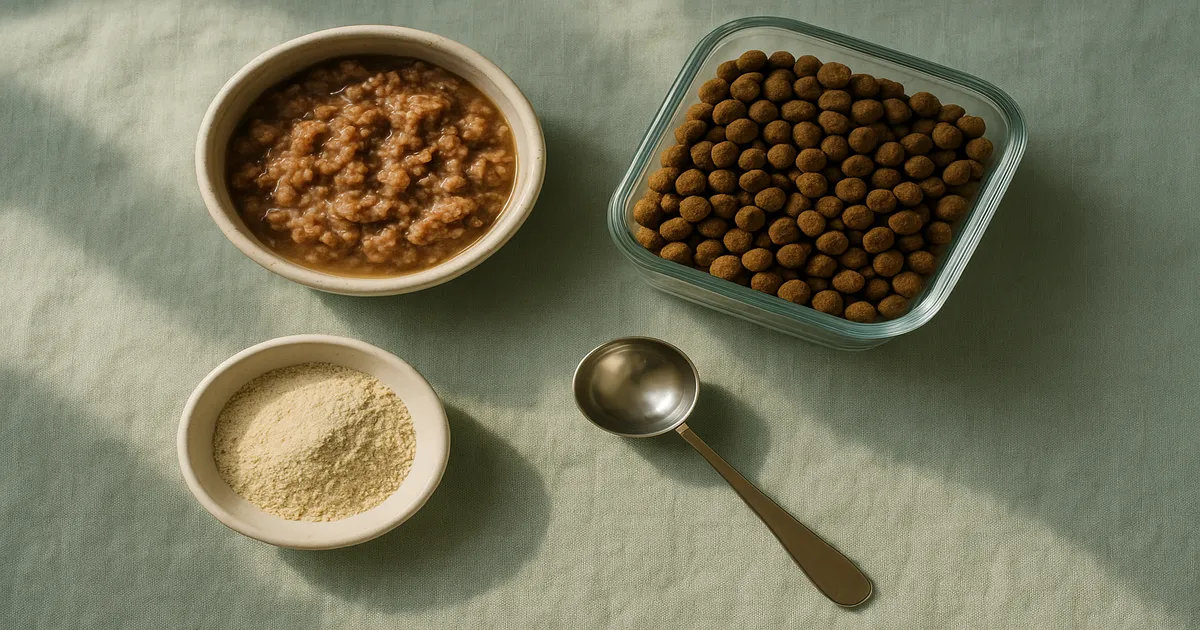
Quick Answer: For cats, wet food should be the primary diet — their low thirst drive makes dietary moisture critical for urinary and kidney health. For dogs, the best format depends on health, age, and activity level, though most benefit from increased moisture. Hydrating toppers offer a practical, budget-friendly middle ground for both species.
Choosing between wet food, hydrating toppers, or dry food isn’t just a matter of preference — it’s one of the most consequential nutritional decisions you’ll make for your pet. Moisture content alone influences everything from urinary health and kidney function to weight, coat quality, and diabetes risk. These wet food, hydrating topper, or dry food recommendations will help you make the right call for your specific situation.
Wet Food vs. Dry Food vs. Toppers: What’s the Difference?
Dry Kibble: Convenience, Cost, and Caveats
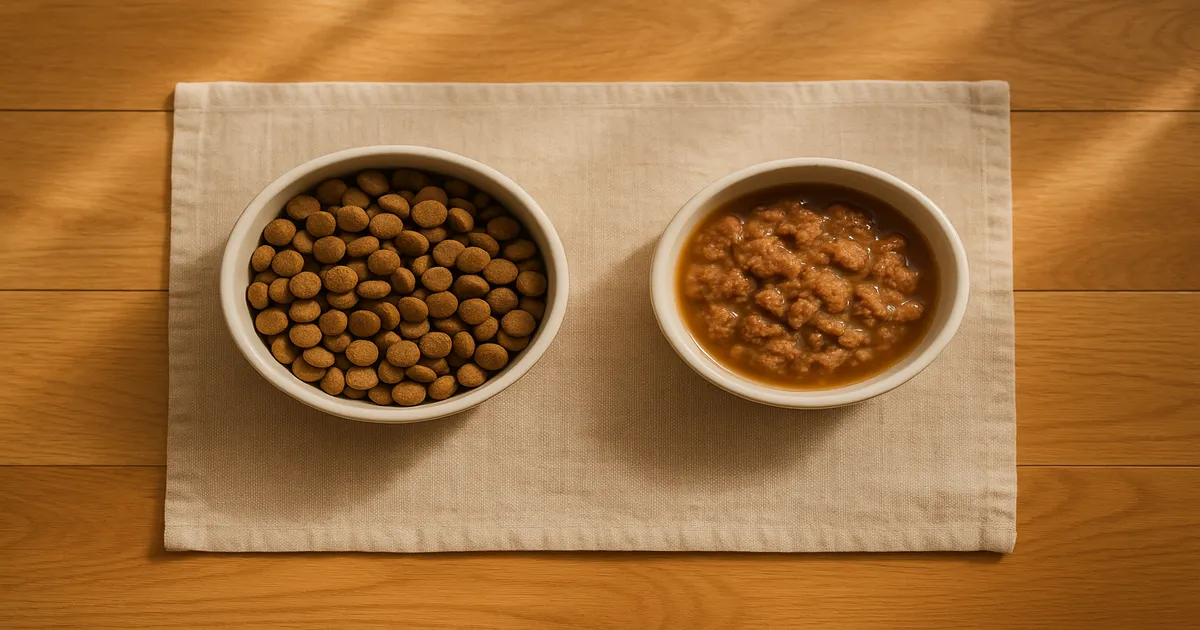
Kibble is the workhorse of the pet food world — affordable, shelf-stable for 12–18 months, and easy to measure. Premium options run $2–$6 per pound, making it the most economical choice per calorie. The tradeoff is moisture: at just 6–10%, kibble leaves most cats and many dogs chronically under-hydrated.
One persistent myth worth addressing: dry food does not meaningfully clean your pet’s teeth. Most kibble shatters on contact and provides minimal mechanical abrasion. The exception is VOHC-approved dental diets like Hill’s Prescription Diet t/d — these have controlled trial evidence behind them. Standard kibble does not.
Wet and Canned Food: Palatability and Hydration
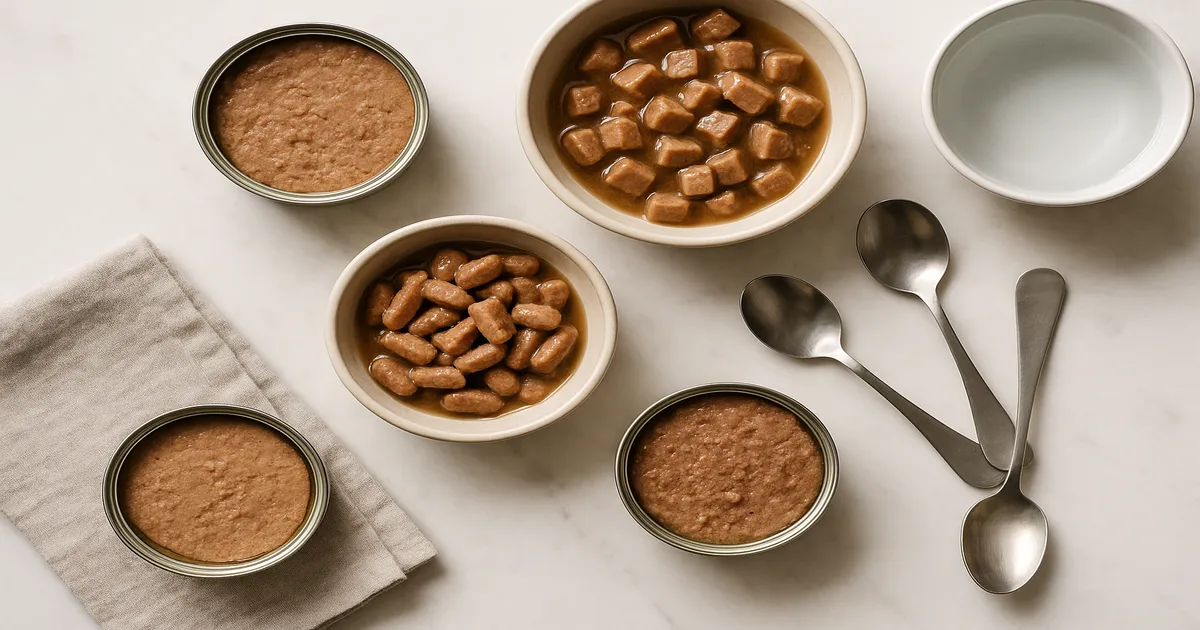
Wet food wins on every palatability measure. Aroma, texture, and moisture content make it consistently the most preferred format in feeding studies. At 70–82% moisture, it delivers hydration passively — no extra water bowl required.
The downside is cost and convenience. Opened cans need refrigerating and should be used within 3–5 days. At $1.50–$4.00 per 3 oz can, feeding wet food exclusively to a large dog adds up quickly.
Hydrating Toppers: Broths, Gravies, and Freeze-Dried Additions
Toppers work on a simple principle: novelty and contrast increase meal engagement. A dog or cat that’s grown bored with the same kibble will often eat enthusiastically when something warm and aromatic is added on top. Bone broth toppers are the most popular option, while freeze-dried toppers add protein variety and texture. They’re not a complete diet — their job is to bridge the gap between what’s practical and what’s optimal.
Quick Comparison: Wet Food vs. Dry Kibble vs. Hydrating Toppers
| Format | Moisture % | Approx. Cost | Palatability | Best For |
|---|---|---|---|---|
| Dry Kibble | 6–10% | $2–$6/lb | Moderate | Active dogs, multi-pet homes |
| Wet/Canned Food | 70–82% | $1.50–$4.00/3 oz can | Very High | Cats, seniors, urinary health |
| Broth/Gravy Topper | 95–98% | $8–$25/container | High | Picky eaters, CKD, medication |
| Freeze-Dried Topper | 60–70% (rehydrated) | $15–$45/bag | Very High | Transition periods, coat health |
Wet Food and Dry Food Recommendations for Cats
Why Cats Are Biologically Wired for Wet Food
Cats descended from desert-dwelling solitary hunters. Their prey — mice, birds, small reptiles — is roughly 65–75% water. Over millennia, cats evolved to extract most of their moisture from food rather than standing water. Their kidneys are extraordinarily efficient at concentrating urine, which is an adaptation to low water intake — but it comes at a cost when intake stays low long-term.
A cat eating exclusively dry kibble may consume only 60–80 ml of moisture per day when they need closer to 200–250 ml. The American Association of Feline Practitioners (AAFP) recommends wet food as the primary diet for most cats, and the clinical evidence strongly supports this.
The Urinary Health Case for High-Moisture Diets
Cats eating exclusively dry food typically have a urine specific gravity (USG) of 1.045–1.070. Wet-fed cats sit at 1.025–1.040. That difference matters enormously: concentrated urine is the primary driver of struvite and calcium oxalate crystal formation, both major causes of Feline Lower Urinary Tract Disease (FLUTD). FLUTD affects 1–3% of cats annually, and the link to dry food is well-established. Any cat with a history of urinary crystals, blockages, or idiopathic cystitis should be on exclusively wet food — full stop.
Feline Diabetes and the Low-Carb Wet Food Advantage
Dry kibble typically contains 25–50% carbohydrates on a dry matter basis. Wet food usually contains just 5–15%. Cats have limited enzymatic capacity to process plant-based carbohydrates, and chronically high-carb diets contribute to insulin resistance. Studies by Rand & Marshall (2005) and Bennett et al. (2006) found that diabetic cats transitioned to low-carbohydrate wet food achieved remission rates of 50–70%. For many cats, diet change alone can eliminate the need for insulin.
How Much Water Does Your Cat Actually Need?
A general target is 3.5–4.5 oz (100–130 ml) of water per 4.4 lbs (2 kg) of body weight daily. A 10 lb (4.5 kg) cat needs roughly 200–250 ml/day total — and a wet food diet gets them most of the way there automatically.
Transitioning a Kibble-Addicted Cat to Wet Food
Cats imprint strongly on food texture and aroma during kittenhood. A cat raised exclusively on dry food may initially refuse wet food — this is normal, not stubbornness. Use this 7–14 day schedule:
- Days 1–3: Offer a small amount of wet food alongside the kibble (don’t mix yet)
- Days 4–6: Mix 25% wet food into the kibble portion
- Days 7–9: Move to a 50/50 mix
- Days 10–12: 75% wet food, 25% kibble
- Days 13–14: Full wet food diet
Warm the wet food slightly to enhance aroma. Patience is everything here.
Wet Food and Dry Food Recommendations for Dogs
High-Energy and Working Dogs: When Kibble Wins
High-drive working breeds — Border Collies, Belgian Malinois, Siberian Huskies — competing or working daily can burn 1,500–2,000+ kcal per day. Wet food alone, at 150–250 kcal per 5.5 oz can, simply can’t deliver that caloric load practically. High-performance kibble at 450–550 kcal/cup is the realistic foundation, supplemented with wet food or broth for palatability and hydration.
Senior Dogs: Why Wet Food Becomes More Important With Age
Senior dogs (generally 7+ for most breeds, though giant breeds age faster) often experience reduced smell and taste sensitivity, dental pain, and declining kidney function — all of which make wet food a better fit. Strong aroma compensates for dulled senses, soft texture accommodates sore teeth, and higher moisture supports aging kidneys. Most veterinary geriatric specialists recommend transitioning senior dogs to at least 50% wet food.
Overweight Dogs: Using Wet Food for Volume Satiety
A 5.5 oz can of wet food delivers 150–200 kcal with significant meal volume. Replacing 25–50% of a dog’s dry food calories with wet food reduces total caloric intake while keeping the dog feeling satisfied. This is one of the most underused weight management tools available — and it doesn’t require a prescription.
Dogs With Urinary Stones or Kidney Disease
Dogs with calcium oxalate stones, struvite infections, or chronic kidney disease (CKD) benefit from the same high-moisture principle as cats. IRIS (International Renal Interest Society) guidelines support high-moisture diets as a cornerstone of CKD management. Adding warm water or low-sodium broth to meals is a simple first step; prescription urinary or renal wet food is often warranted for confirmed cases.
Puppies: Starting on the Right Foot
Puppies need 3–4 meals daily and benefit from moistened food — either wet food or dry kibble softened with warm water. This supports digestion and hydration during rapid growth phases. Avoid high-sodium toppers or broths in puppies; stick to plain warm water or puppy-appropriate wet food.
How to Use Hydrating Toppers Effectively
Best Types of Toppers
- Bone broth ($8–$25): Lowest calorie, highest moisture; great for CKD patients and reluctant drinkers
- Gravy toppers ($10–$20): Higher palatability boost; watch for thickeners and sodium
- Freeze-dried toppers ($15–$45): Add protein variety and texture; rehydrate easily with warm water
How Much Topper to Add Without Unbalancing the Diet
Stick to 1–2 tablespoons of broth or a small sprinkle of freeze-dried topper per meal. Toppers should represent no more than 10% of total daily calories to avoid disrupting the nutritional balance of the base diet. If you’re using a calorie-containing topper, reduce the kibble portion accordingly.
Using Toppers to Administer Medications
Toppers are one of the most reliable medication delivery tools available. A small amount of bone broth or a soft gravy topper can mask the taste of pills, liquid medications, or powdered supplements effectively. Give the topper in a small enough portion that your pet finishes it completely — don’t hide medication in a large meal.
What to Avoid in Commercial Toppers
Always check the ingredient label. Avoid:
- High sodium (over 100 mg per serving for cats; over 150 mg for small dogs)
- Onion or garlic in any form — toxic to both dogs and cats
- Xylitol — extremely toxic to dogs, occasionally found in flavored broths
- Artificial sweeteners of any kind
- Propylene glycol — prohibited in cat food, occasionally found in dog products
Food Format and Common Health Conditions
Urinary tract disease: High-moisture wet food is the single most important dietary intervention for urinary health in cats. For dogs with confirmed stone disease, increasing moisture through wet food or water additives reduces urinary concentration and recurrence risk. Work with your vet to identify stone type — struvite and oxalate stones require different dietary approaches.
Chronic kidney disease (CKD): Wet food is the gold standard. It reduces the kidneys’ concentrating workload and supports adequate hydration without forcing the animal to drink more. Phosphorus restriction — easier to achieve with wet food — is critical at IRIS Stage 2 and beyond.
Obesity: Wet food’s volume satiety effect is the practical key here. Replacing a portion of dry food with wet food, or adding low-calorie broth toppers, lets you reduce total calories without reducing meal satisfaction.
Inflammatory bowel disease and food sensitivities: Novel protein wet foods — rabbit, venison, duck — are commonly used for elimination diet trials. Wet formats are generally better tolerated than dry hydrolyzed diets. High digestibility (85–95% for quality wet food vs. 75–85% for standard kibble) also means less intestinal workload.
Dental disease: Standard dry kibble does not meaningfully prevent dental disease. VOHC-approved dental diets are the exception — they’ve passed controlled efficacy trials. Regardless of what your pet eats, the gold standard is brushing teeth 3–7 times per week with a pet-safe enzymatic toothpaste. Dental chews and water additives help at the margins but don’t replace mechanical cleaning.
Practical Feeding Recommendations
The Mixed Feeding Strategy: Kibble Base + Wet Topper
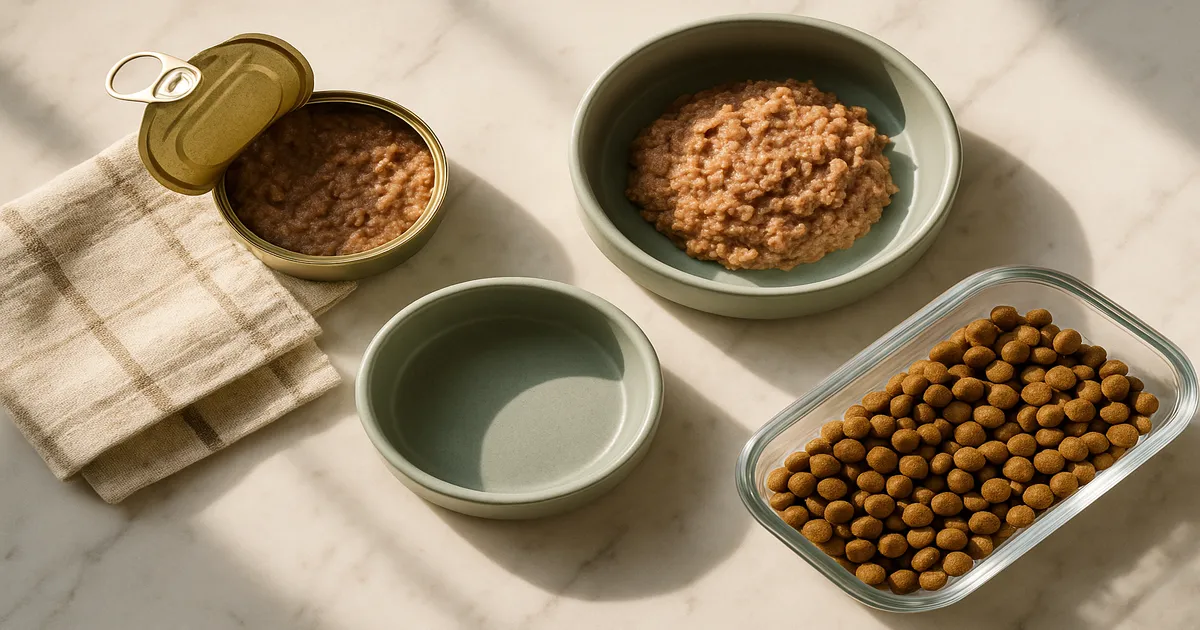
This is the most practical approach for the majority of dog owners and many cat owners. Use a quality dry kibble (Purina Pro Plan Adult Chicken & Rice Formula) as the caloric foundation, then add a small amount of wet food or broth topper to boost moisture and palatability. You get the cost efficiency of kibble with meaningful hydration support. For cats, the goal should be to make wet food the majority of the diet, using kibble only as a supplement if needed.
Budget-Friendly Ways to Increase Dietary Moisture
You don’t need expensive toppers to improve hydration. Practical options include:
- Add warm water directly to kibble — free, effective, and surprisingly well-accepted by many pets
- Make simple low-sodium bone broth at home — simmer chicken or beef bones (no onion, no garlic, no salt) for 6–12 hours, strain, cool, and portion into ice cube trays
- Rotate affordable wet food brands — even one wet meal per day makes a meaningful difference
- Use a pet water fountain — moving water encourages drinking in cats especially
Coat and Skin: A Note on Processing and Omega-3s
High-heat extrusion — the process used to make dry kibble — degrades 30–40% of heat-sensitive nutrients, including omega-3 fatty acids. Kibble-fed pets often benefit from a supplemental fish oil. (Zesty Paws Pure Wild Alaskan Salmon Oil) A practical target is 500–1,000 mg of combined EPA+DHA per 10 lbs (4.5 kg) of body weight daily. Pets eating high-quality wet or freeze-dried diets frequently show shinier coats and less dry skin, largely because lower processing temperatures preserve more naturally occurring fatty acids.
Reading Pet Food Labels: What Actually Matters
Focus on these four things:
- Moisture content — listed in the Guaranteed Analysis; higher is better for most pets
- First protein source — should be a named meat or fish, not a by-product meal as the primary ingredient
- AAFCO statement — look for “complete and balanced” for the appropriate life stage
- Carbohydrate estimation — not listed directly; calculate as 100% minus protein% minus fat% minus moisture% minus ash%. Under 10% on a dry matter basis is ideal for cats.
When to Ask Your Vet About a Prescription Diet
If your pet has been diagnosed with CKD, urinary stones, IBD, or severe obesity, a prescription diet may be warranted. These are formulated to specific therapeutic targets — phosphorus restriction, controlled mineral ratios, or hydrolyzed protein — that over-the-counter foods can’t reliably achieve. A prescription diet used correctly is a medical tool, not a marketing label.
Frequently Asked Questions
Can I mix wet and dry food in the same meal? Yes — this is one of the most common and practical feeding strategies. Mix them in whatever ratio works for your budget and your pet’s health needs. Just account for the combined calorie total to avoid overfeeding.
Is wet food bad for dogs’ teeth? Wet food is no worse for dental health than dry kibble — and standard kibble doesn’t meaningfully prevent tartar anyway. Regardless of diet, regular tooth brushing with a pet-safe enzymatic toothpaste is the most effective dental care tool available.
How do I know if my cat is drinking enough water? Signs of adequate hydration include moist gums, good skin elasticity (skin snaps back quickly when gently pinched), and pale yellow urine. Cats on wet food diets rarely show signs of dehydration. If your cat is on dry food and you’re concerned, a urine specific gravity test at your vet is the most reliable measure.
Are homemade broths safe to use as toppers? Yes, with caveats. Homemade bone broth made from plain chicken or beef bones — no onion, no garlic, no added salt — is safe and effective. Avoid store-bought broths, which almost always contain onion powder or excessive sodium.
At what age should I switch my senior dog to wet food? Most veterinary guidelines define “senior” as 7+ years for medium breeds, 5–6 years for giant breeds (over 90 lbs), and 8–9 years for small breeds. Transition gradually over 7–14 days using the same incremental mixing approach described for cats. If your dog has dental pain or diagnosed kidney disease, the switch should happen sooner rather than later.