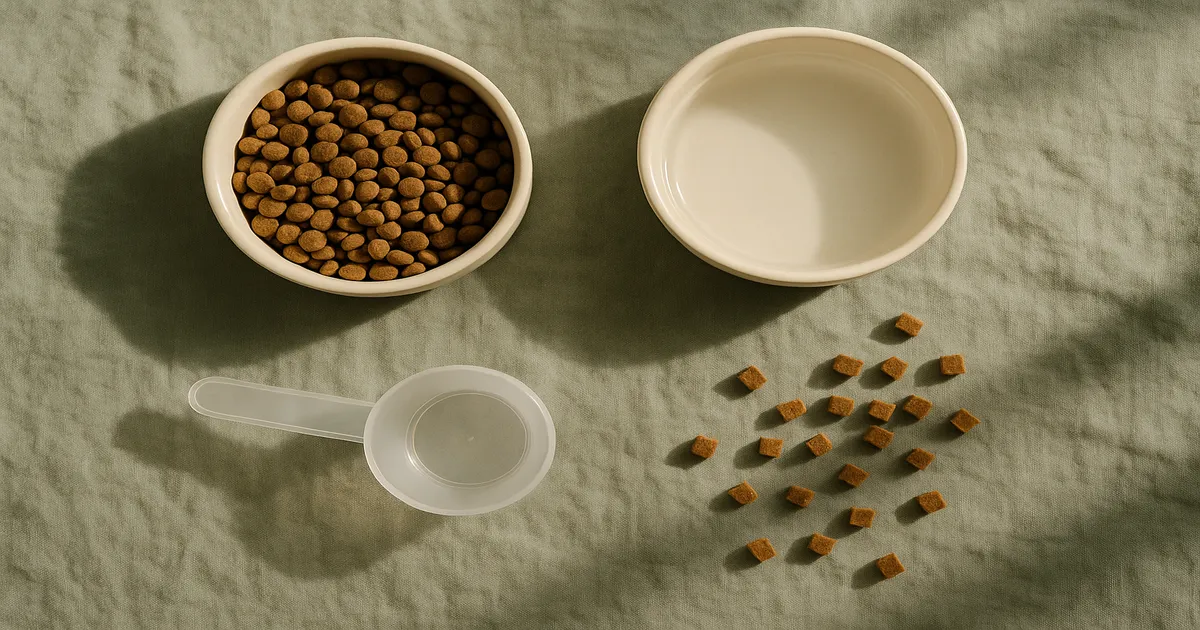
Quick Answer: Adult Cavalier King Charles Spaniels typically need 400–500 calories per day split across two meals, based on their ideal weight of 12–18 lbs (5.4–8.2 kg). Puppies need 3–4 smaller meals daily, while seniors generally need 20–30% fewer calories. Because obesity directly accelerates Mitral Valve Disease — the breed’s most serious health threat — portion control is the single most important feeding decision you’ll make for your Cavalier.
If you’ve just welcomed a Cavalier into your home, you’ve probably noticed two things very quickly: they are impossibly charming, and they will eat absolutely anything you put in front of them. This Cavalier King Charles feeding guide covers everything you need to know — from daily calorie targets and portion sizes by life stage to the foods that can genuinely harm them. Getting nutrition right for this breed isn’t just about maintaining a healthy weight; it’s about protecting their heart.
Cavalier King Charles Feeding at a Glance
Daily Calorie Summary by Life Stage
| Life Stage | Daily Calories | Meals Per Day |
|---|---|---|
| Puppy (8 weeks–12 months) | ~2× adult needs per lb of body weight | 3–4 |
| Adult (1–7 years) | 400–500 kcal | 2 |
| Senior (7+ years) | 280–400 kcal (20–30% less) | 2–3 |
Key Feeding Rules for Cavaliers
- Never free-feed. Cavaliers will overeat without question.
- Weigh portions rather than eyeballing — a tablespoon too much each day adds up fast.
- Skip grain-free diets. The FDA’s investigation into grain-free food and heart disease makes this a particular risk for a cardiac-vulnerable breed.
- Treats count. Keep them under 10% of daily calories.
Understanding the Cavalier’s Nutritional Needs
Breed Size and Ideal Weight Range
The Cavalier King Charles Spaniel is a small but sturdy companion dog. Breed standards place adults at 12–18 lbs (5.4–8.2 kg) and 12–13 inches (30–33 cm) at the withers. Any dog consistently above 18 lbs deserves a closer look at their diet, unless a vet has confirmed their build genuinely warrants it.
Why Cavaliers Are Prone to Obesity
Cavaliers are enthusiastic eaters who don’t self-regulate well. They respond intensely to food rewards, and their exercise needs — while real — are moderate enough that extra calories aren’t easily burned off. It’s a combination that makes weight creep almost inevitable without deliberate portion management.
Diet and Mitral Valve Disease: What Every Owner Should Know
This is the part that matters most. Virtually all Cavaliers develop some degree of Mitral Valve Disease (MVD) by age 10. Excess body weight forces the heart to work harder, directly accelerating MVD progression and shortening the time before congestive heart failure becomes a concern. Keeping your Cavalier lean isn’t vanity — it’s cardiac medicine.
Best Food Types for Cavalier King Charles Spaniels
High-Quality Dry Kibble
A good small-breed dry kibble is the most practical everyday choice for most Cavalier owners. Look for a named animal protein (chicken, turkey, salmon, or lamb) as the first ingredient, an AAFCO nutritional adequacy statement on the label, and a formula designed specifically for small or toy breeds. Royal Canin’s Cavalier King Charles Adult formula is one option worth considering, as it’s tailored to the breed’s cardiac and weight-management needs. Avoid anything listing corn syrup, BHA, BHT, or ethoxyquin in the ingredients.
Wet and Canned Food
Wet food works well as a kibble topper or a primary diet for seniors with dental issues, and the higher moisture content supports hydration. The catch is calorie density — wet food packs more calories per volume than most owners expect. If you add it, reduce the kibble portion accordingly and track the combined total carefully.
Fresh and Gently Cooked Diets
Pre-portioned, gently cooked meal services like The Farmer’s Dog deliver recipes developed with veterinary nutritionists. They’re highly digestible and remove the guesswork around portion sizes — a genuine advantage for a breed where overfeeding is so easy. The main drawback is cost.
Raw Diets: What the Vets Say
Both the American Veterinary Medical Association (AVMA) and the American Animal Hospital Association (AAHA) advise against raw diets due to risks of bacterial contamination (Salmonella, Listeria) and nutritional imbalance. If you’re committed to raw feeding, do it only under close supervision from a board-certified veterinary nutritionist with regular bloodwork monitoring.
Why Grain-Free Diets Are Risky for Cavaliers
In 2018, the FDA launched an investigation into a potential link between grain-free diets — particularly those high in legumes, lentils, and peas — and Dilated Cardiomyopathy (DCM) in dogs. For a breed already predisposed to heart disease, adding an unnecessary dietary cardiac risk makes no sense. Whole grains like brown rice, oatmeal, and barley are nutritious, easy to digest, and far safer choices for Cavaliers.
Cavalier King Charles Feeding Guide by Life Stage
Disclaimer: The portions below are general guidelines based on kibble averaging 350–400 kcal/cup. Always check your specific food’s calorie content and consult your vet for individualised advice, especially if your dog has any health conditions.
Puppy Feeding (8 Weeks to 12 Months)
Puppies need roughly twice the calories per pound of body weight that adults do, spread across multiple small meals. This prevents hypoglycemia and supports steady growth. Use a small-breed puppy formula — the smaller kibble size suits their jaw, and the nutrient profile supports development without overshooting calorie targets.
Approximate daily portions (divided across meals):
| Age & Weight | Daily Amount (dry kibble) | Meals Per Day |
|---|---|---|
| 8–12 weeks (2–4 lbs / 0.9–1.8 kg) | ¼ to ⅓ cup | 4 |
| 3–6 months (4–8 lbs / 1.8–3.6 kg) | ⅓ to ½ cup | 3–4 |
| 6–12 months (8–14 lbs / 3.6–6.4 kg) | ½ to ¾ cup | 3 |
Transition to adult food between 10–12 months. Do it gradually over 7–10 days by mixing increasing amounts of adult food into the puppy formula.
Adult Feeding (1 to 7 Years)
Most adult Cavaliers do well on twice-daily feeding totalling 400–500 calories per day. Split the daily portion into a morning and evening meal rather than one large serving.
Approximate daily portions (dry kibble, ~350–400 kcal/cup):
| Weight | Daily Amount | Per Meal (2× daily) |
|---|---|---|
| 12 lbs (5.4 kg) | ½ to ⅔ cup | ¼ to ⅓ cup |
| 15 lbs (6.8 kg) | ⅔ to ¾ cup | ⅓ to ⅜ cup |
| 18 lbs (8.2 kg) | ¾ to 1 cup | ⅜ to ½ cup |
Spayed or neutered dogs typically need 20–30% fewer calories than intact dogs of the same weight. If your Cavalier was recently altered, reduce portions gradually and monitor weight monthly.
Senior Feeding (7 Years and Older)
Older Cavaliers generally need 20–30% fewer calories than they did in their prime, though individual variation is significant — a very active 8-year-old may need more than a sedentary 7-year-old. When choosing a senior formula, look for:
- Controlled phosphorus levels to support kidney health
- Added omega-3s (EPA and DHA) for joints and cardiac function
- Moderate, high-quality protein — don’t reduce protein unnecessarily in healthy seniors
Those with diagnosed cardiac disease may benefit from three smaller meals daily to reduce digestive strain and keep energy levels more stable.
How Often Should You Feed a Cavalier King Charles Spaniel?
Three to four meals a day is essential for young Cavalier puppies. Small breeds can experience hypoglycemia if they go too long between meals, and frequent feeding supports the rapid growth happening in those early months. By six months, most puppies can comfortably drop to three meals.
For adults, two meals a day — morning and evening — is the sweet spot. It stabilises blood sugar, reduces the tendency to gulp food, and fits naturally into most households’ routines. Once-daily feeding is not recommended; the gap is too long and can contribute to digestive upset.
Seniors with cardiac disease or sensitive digestion often do better on three smaller meals rather than two larger ones. It reduces the workload on the digestive system and keeps energy more consistent throughout the day. If your Cavalier has been diagnosed with MVD or congestive heart failure, talk to your vet or a veterinary cardiologist about whether a meal frequency adjustment makes sense.
Treats and Foods to Avoid
Safe Treat Options
Treats should make up no more than 10% of your Cavalier’s daily calorie budget — roughly 40–50 calories for most adults. Good low-calorie options include:
- Small pieces of carrot or cucumber
- A few blueberries
- Tiny cubes of plain cooked chicken
- Small commercial training treats such as Zuke’s Mini Naturals
Puzzle feeders are a great way to make treats last longer and add mental stimulation — particularly useful for a breed prone to boredom and weight gain. A KONG Classic stuffed with a small amount of plain pumpkin or kibble works well.
Human Foods That Are Toxic to Cavaliers
Keep these away from your Cavalier entirely:
- Grapes and raisins — can cause acute kidney failure
- Chocolate — theobromine toxicity
- Xylitol — found in sugar-free gum, some peanut butters, and baked goods; causes dangerous blood sugar drops
- Onions and garlic — damage red blood cells
- Macadamia nuts — cause neurological symptoms and weakness
If you give your Cavalier a 50-calorie treat during a training session, that comes out of their daily 400–500 calorie allowance — which means meal portions need to shrink accordingly. A food scale and a simple notes app are all you need to stay on top of it.
Weight Management for Cavaliers
How to Body Condition Score Your Cavalier at Home
Run your hands along your Cavalier’s ribcage — you should feel each rib easily without pressing hard, but they shouldn’t be visibly prominent. Looking down from above, there should be a visible waist behind the rib cage. From the side, the abdomen should tuck up slightly toward the hindquarters.
Signs Your Cavalier Is Overweight
- Ribs are difficult to feel without firm pressure
- No visible waist when viewed from above
- Reduced enthusiasm for walks or play
- Heavier breathing during mild activity
If you’re seeing any of these signs, it’s time to reassess portions and book a vet check.
Adjusting Portions
Never cut calories drastically all at once. Reduce daily intake by around 10% and reweigh your dog in two to three weeks. Monthly weigh-ins at home — using a baby scale or the “step on the scale holding your dog” method — let you catch creep early. Any Cavalier consistently above 18 lbs should be evaluated by a vet.
Supplements Worth Considering
Omega-3 Fatty Acids
Fish oil providing EPA and DHA is probably the most universally useful supplement for Cavaliers. Omega-3s support cardiovascular function, reduce inflammation, benefit joint health, and keep the coat in excellent condition. Given that virtually every Cavalier will face some degree of MVD, this is one supplement most vets are happy to recommend. A product like Nordic Naturals Omega-3 Pet is a well-regarded option — always confirm the dose with your vet based on your dog’s weight.
Joint Support for Seniors
Glucosamine and chondroitin are commonly recommended for older Cavaliers showing signs of joint stiffness. The evidence is moderate but generally positive, and the safety profile is excellent. Some senior dog foods already include these ingredients, so check the label before adding a separate supplement. (Cosequin DS Plus MSM)
Prescription and Cardiac Diets
Once a Cavalier is diagnosed with advanced MVD or congestive heart failure, dietary needs become more complex. Prescription cardiac diets — formulated with specific sodium levels and tailored nutrient profiles — may be recommended by a veterinary cardiologist. This is not a DIY decision. If your dog has a progressing heart murmur, ask for a referral to a board-certified cardiologist and discuss whether a therapeutic diet is appropriate.
Frequently Asked Questions
How much should I feed my Cavalier King Charles Spaniel per day?
Most adult Cavaliers weighing 12–18 lbs need approximately 400–500 calories per day — typically ½ to 1 cup of dry kibble split across two meals, depending on the food’s caloric density. Spayed or neutered dogs generally need 20–30% less. Always check the calorie count on your specific food’s label and adjust based on your dog’s weight trend.
What is the best food for a Cavalier King Charles Spaniel?
A high-quality small-breed dry kibble with a named animal protein as the first ingredient and an AAFCO nutritional adequacy statement is a solid everyday choice. Fresh, gently cooked subscription diets are an excellent alternative if budget allows. The most important factors are appropriate calorie density, whole-food ingredients, and the absence of grain-free formulations, which carry cardiac risks particularly relevant to this breed.
Can Cavalier King Charles Spaniels eat grain-free food?
Grain-free diets are not recommended for Cavaliers. The FDA’s ongoing investigation found a potential link between grain-free, legume-heavy diets and Dilated Cardiomyopathy (DCM) — a serious concern for a breed already predisposed to heart disease. Whole grains like brown rice and oatmeal are healthy, digestible, and a much safer choice.
How many times a day should a Cavalier King Charles Spaniel eat?
Puppies should eat 3–4 times daily until around six months, then 3 times daily until 12 months. Adults do best on two meals per day — morning and evening. Some seniors, particularly those with cardiac disease or sensitive digestion, benefit from three smaller meals. Once-daily feeding is not recommended for this breed.
What foods are dangerous for Cavalier King Charles Spaniels?
Grapes, raisins, chocolate, xylitol, onions, garlic, and macadamia nuts are all toxic and should never be given. Xylitol is particularly insidious because it appears in unexpected places like certain peanut butters and baked goods — always read labels before sharing human food with your dog. When in doubt, stick to vet-approved treats.